











Ever since I was a teenager, I’ve had mildly problematic skin. During puberty and, later, amenorrhea, pimples found a home on my face. And while living in colder climates with dry air, poor sunlight and hard water (I’m talking about you, London), my eye area surrendered to eczema (atopic dermatitis).
These days, it’s a lot easier to manage. My hormones have relaxed (my period began regulating in my late twenties), I tend to swap British winters for Australian summers (a freelance privilege, I know), and I often scroll past BeautyTok routines and recommendations to stick with my personal failsafe dermacosmetics.
But as my 30s approach, I’m starting to consider a more targeted and mature (in both meanings of the word) regimen, one that also provides a sense of ritual. When you’ve long viewed skincare as skin maintenance, you find so little joy in the application process. What’s the point in using a gua sha when it’s just a mass-market pharmacy cream? I just don’t have time for face masks. Don’t even think about retinol, you might upset the skin barrier! The internal monologue digresses. But maybe there’s a way for us reactive skin folk to enjoy the benefits of both skin health and precision beauty, and a little self-care along the way.
Read on for a sophisticated approach to sensitive skin that won’t disrupt your beauty peace.










How Do I Know If I Have Sensitive Skin?
If you regularly experience stinging, burning, itching, tingling or pain in response to products or conditions most skin tolerates, it’s likely you have sensitive skin. It’s unpleasant but very common: 71% of adults self-report some degree of sensitive skin, with women more affected than men, because of course they are.
Common triggers include skincare products and cosmetics, hormonal shifts, stress, and temperature and environmental changes, such as wind, cold, sun, central heating, pollution and hard water. But whether it’s ongoing sensitivity or a one-off flare comes down to how often it happens.
“It doesn’t always look red or irritated… sometimes it’s more about how it feels,” dermal clinician Yadira Cauchi tells me. “‘Sensitised skin' is commonly used in skincare to describe skin that’s become irritated, often after overdoing exfoliation or actives. They can overlap, and stress or hormonal changes can also influence reactivity.” In short, sensitive skin is ongoing, whereas sensitised skin is a temporary reaction.
When Should You See A Skin Specialist Or Dermatologist?
Like most things, not everyone can tolerate the same products. What adds radiance to your friend’s skin might dry yours out. But don’t feel the need to book a skin specialist or dermatologist appointment the moment a flare-up occurs. It might just be a mild reaction that resolves on its own, whether your skin adjusts to it (as it often does with retinol) or you remove the cause altogether. It really is a case of watching and waiting, for mild reactions at least. When it comes to something more serious, consult an expert. And by expert, I don’t mean the internet or AI.
“If symptoms linger or worsen, see a dermatologist before experimenting,” Yadira explains of introducing new products. “If reactions are mild, occasional and settle fully, you can cautiously introduce one new product at a time.”
Professional opinions do really matter in the world of sensitive skin. It’s an umbrella term, and treatment isn’t one-size-fits-all. If you have persistent redness, flushing, or visible blood vessels, you might have rosacea. Dry, itchy, inflamed patches could mean you have eczema (atopic dermatitis), as I had. Are you reacting to certain products or ingredients? This could be contact dermatitis, which dermatologists can investigate with patch testing. Of course, if your skin issues are affecting your sleep, confidence or day-to-day life, consider seeing a specialist. And if a reaction is severe, such as swelling of the face, lips, or eyes, or difficulty breathing—seek urgent medical care rather than booking a dermatologist appointment.
What Should Sensitive Skin Look For And Avoid On The Label?
Let’s start with the orange flags.
Fragrances
Any product listed with “parfum” or “fragrance” could be a problem for sensitive skin. In fact, fragrance is one of the most common causes of cosmetic allergic reactions.
Essential Oils
In a similar vein, skip drying alcohols (labelled “alcohol denat.” or SD alcohol) and even essential oils. Just because something’s labelled “natural” doesn’t mean it’s gentler on the skin. “Essential oils and botanical extracts can still irritate or cause allergies,” Yadira shares. “I see some of the worst irritation in clinic with some of these ingredients!” She also advises skipping harsh scrubs and anything that leaves your skin stripped.
Onto the good, green stuff.
Gentle Formulas
Look for gentle, fragrance-free cleansers and moisturisers to hydrate, support the barrier and soothe. Richer creams and balms are particularly useful if your skin is dry, and they’re often a better bet than gels or toners, which can contain alcohol.
Hydrating Ingredients
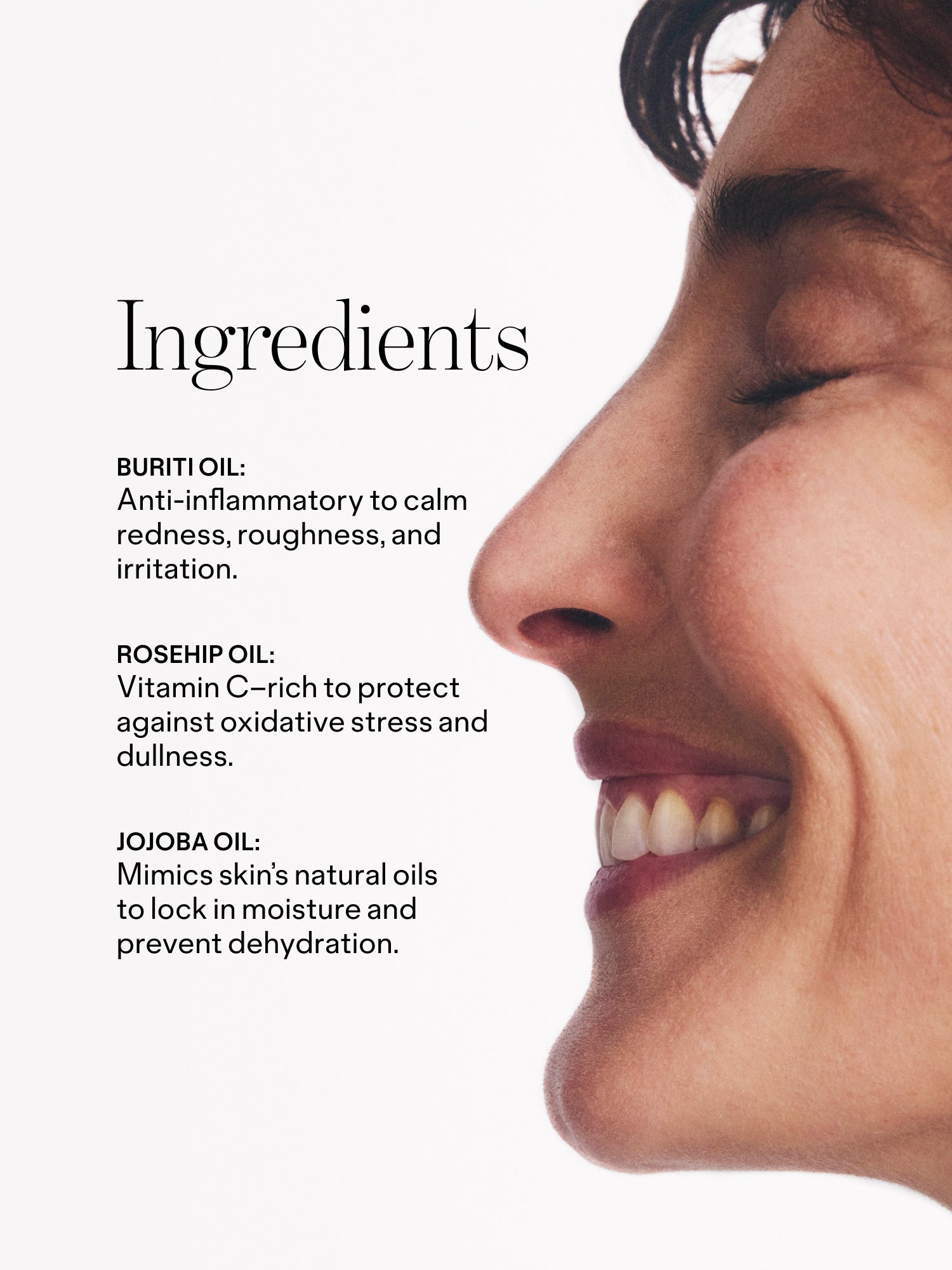
Yadira advises to looking out for glycerin (a well-researched humectant that draws water to the skin), ceramides (lipids that make up much of the skin barrier, so topping them up helps reduce water loss and dryness) and colloidal oatmeal (finely ground oats with soothing, anti-itch properties, long used to calm eczema-prone skin).
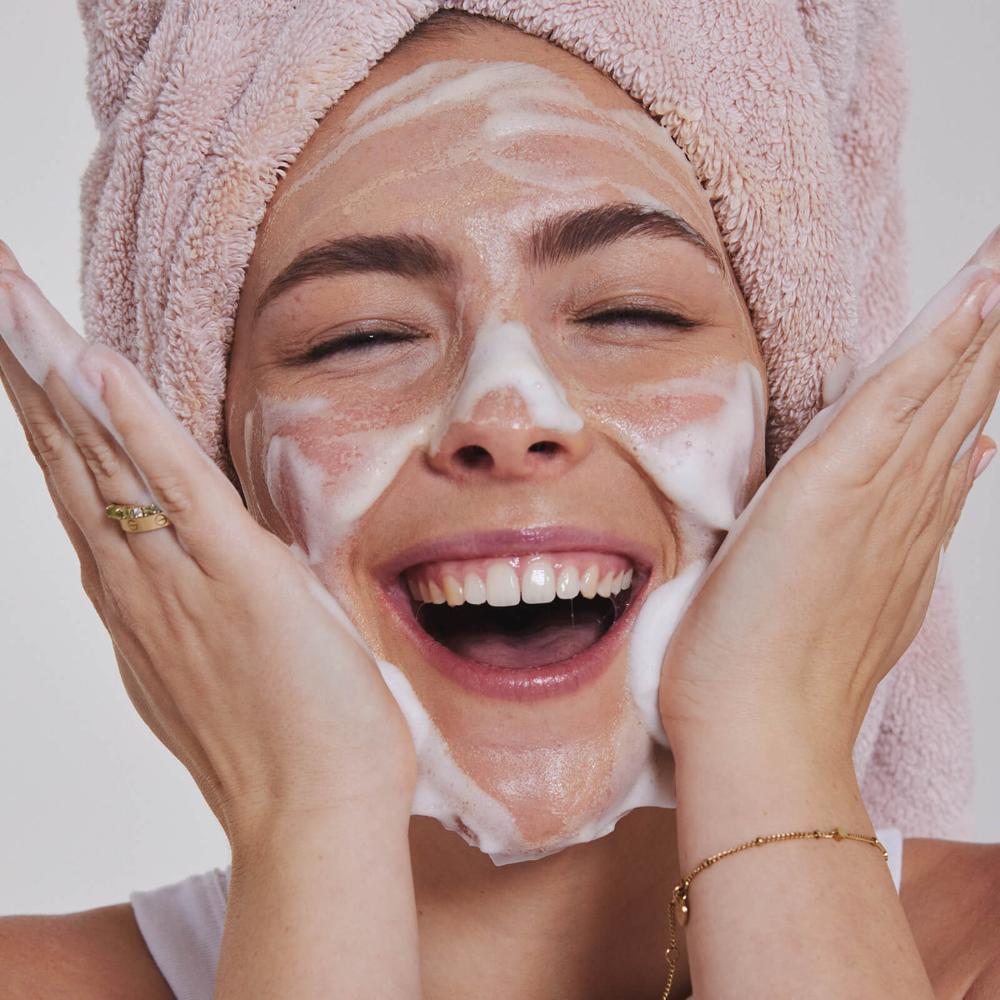
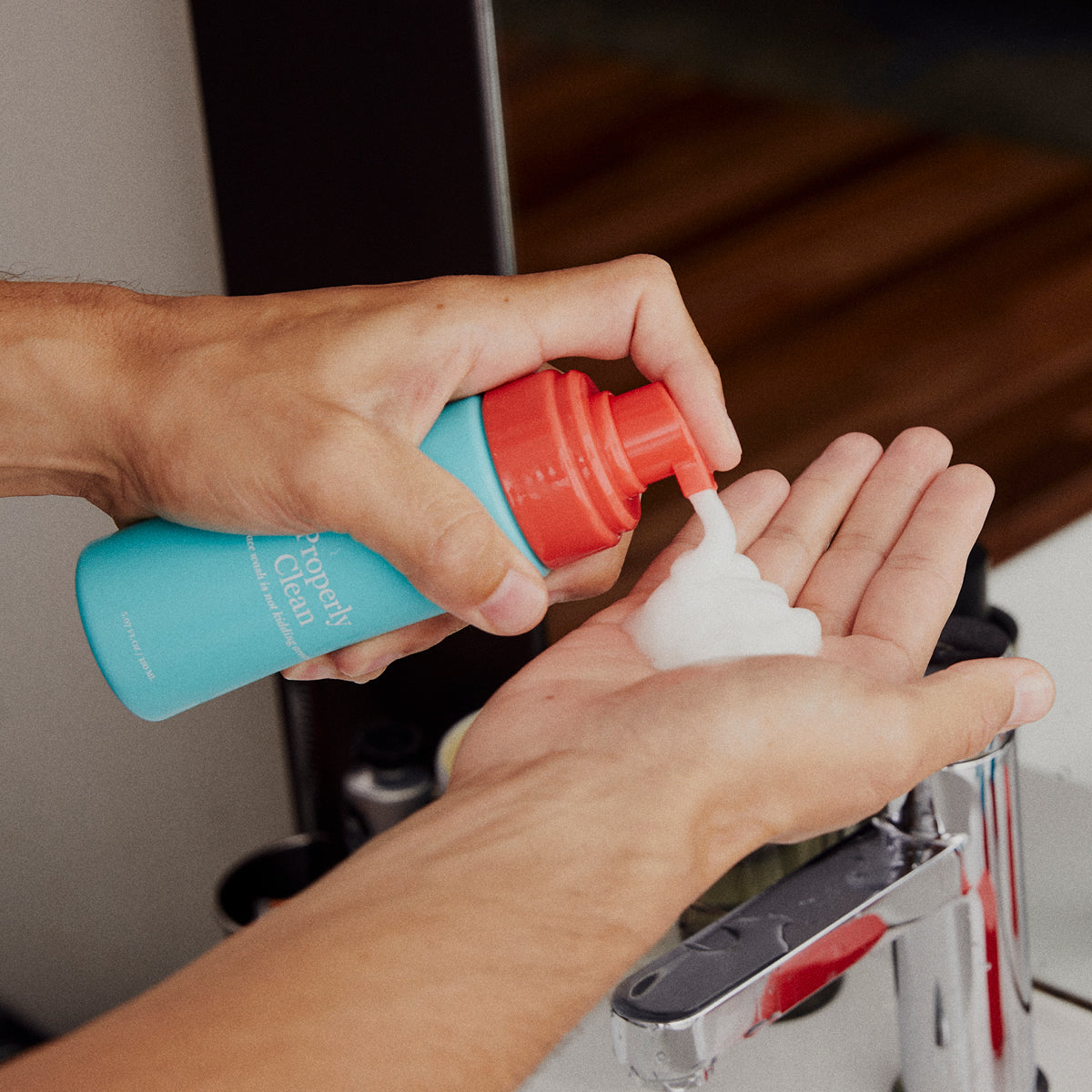
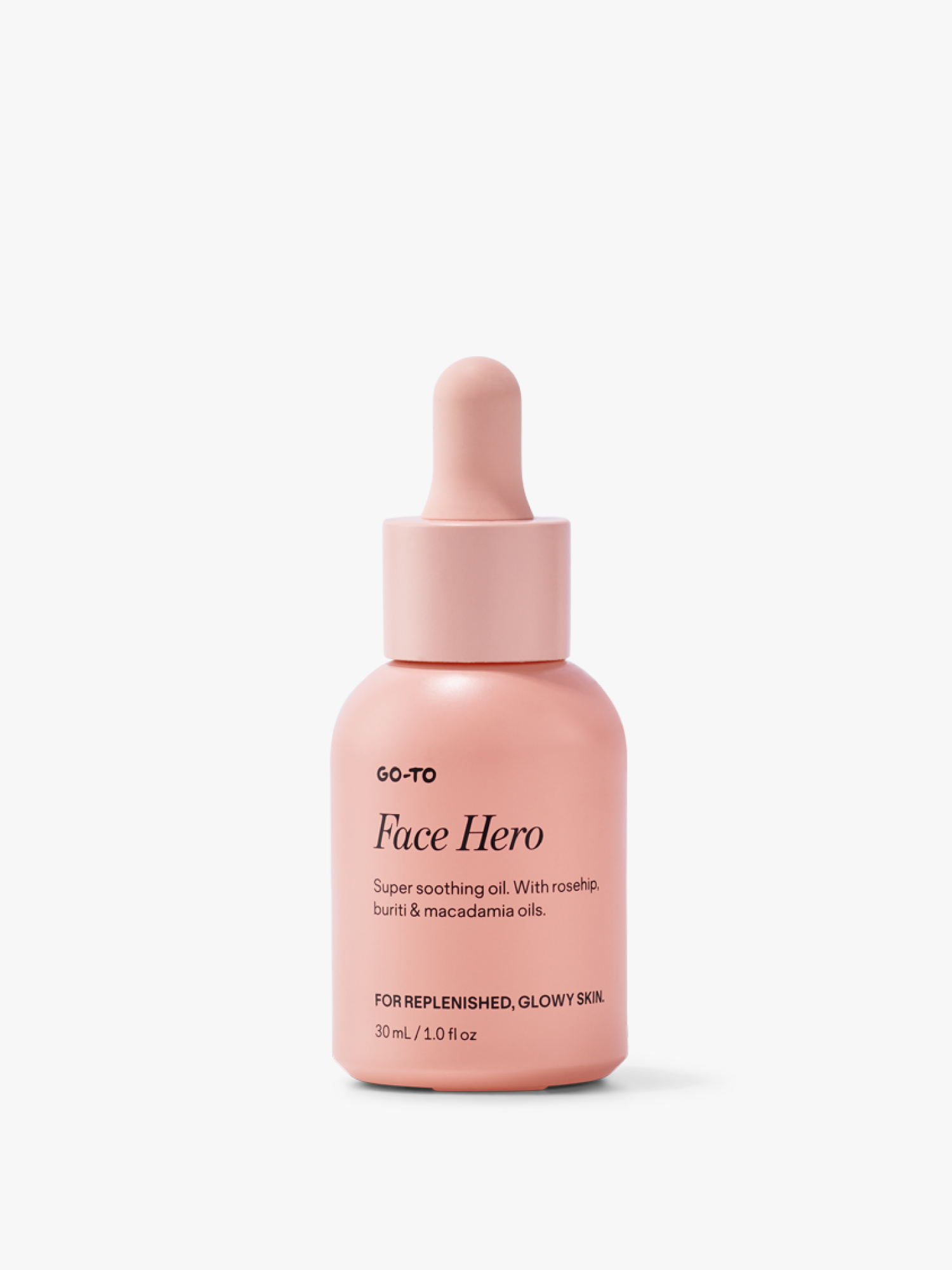
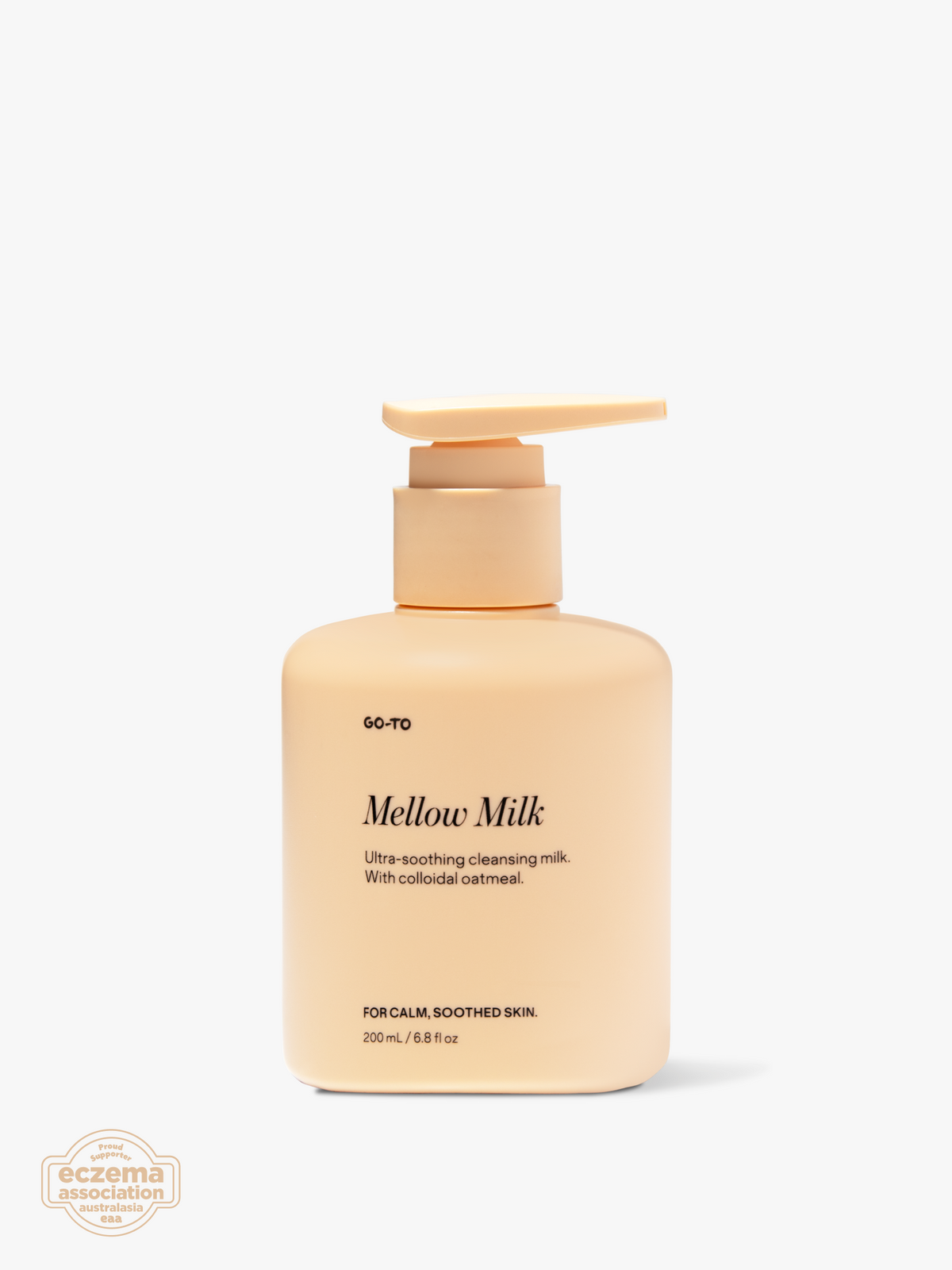
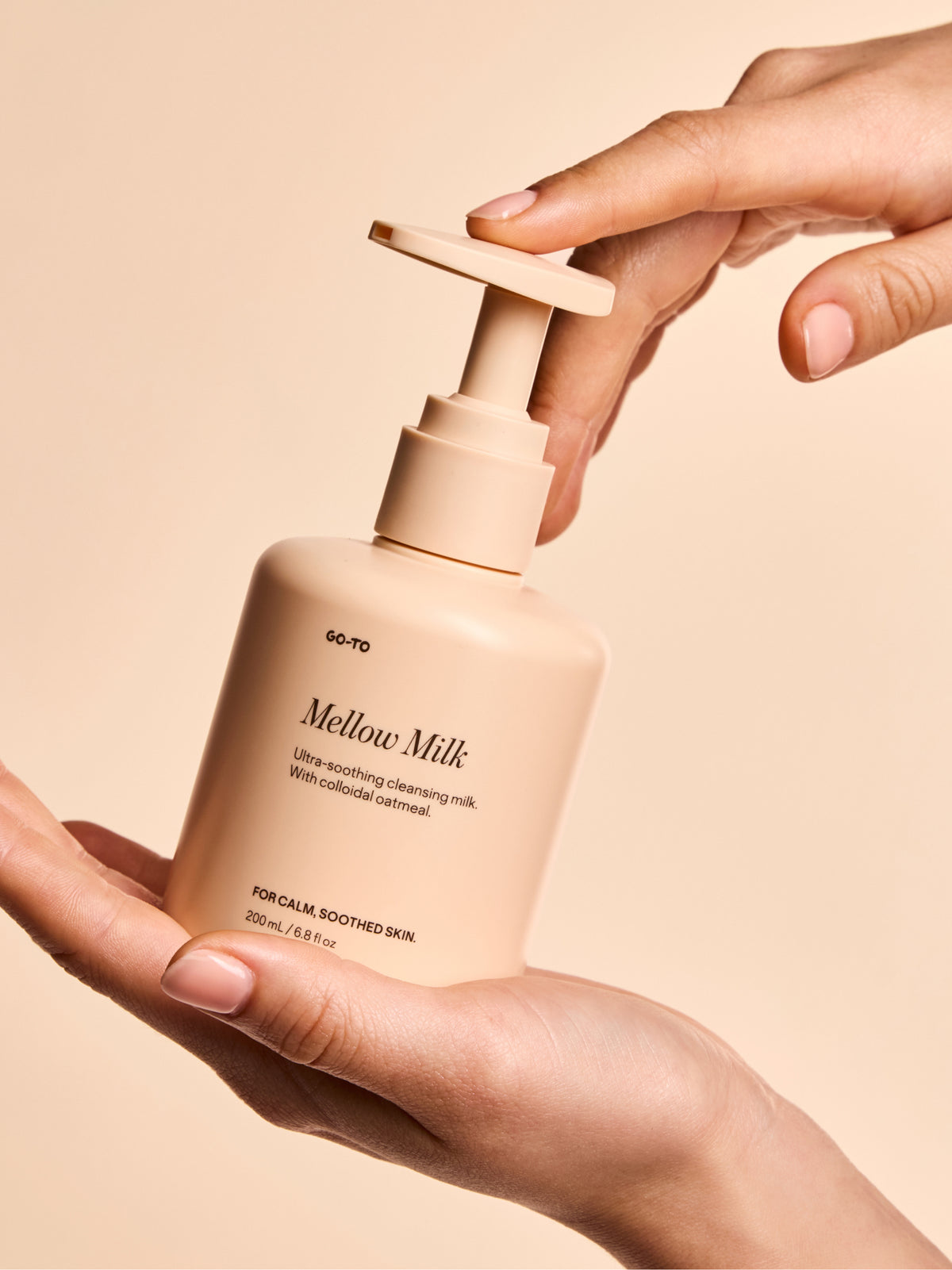
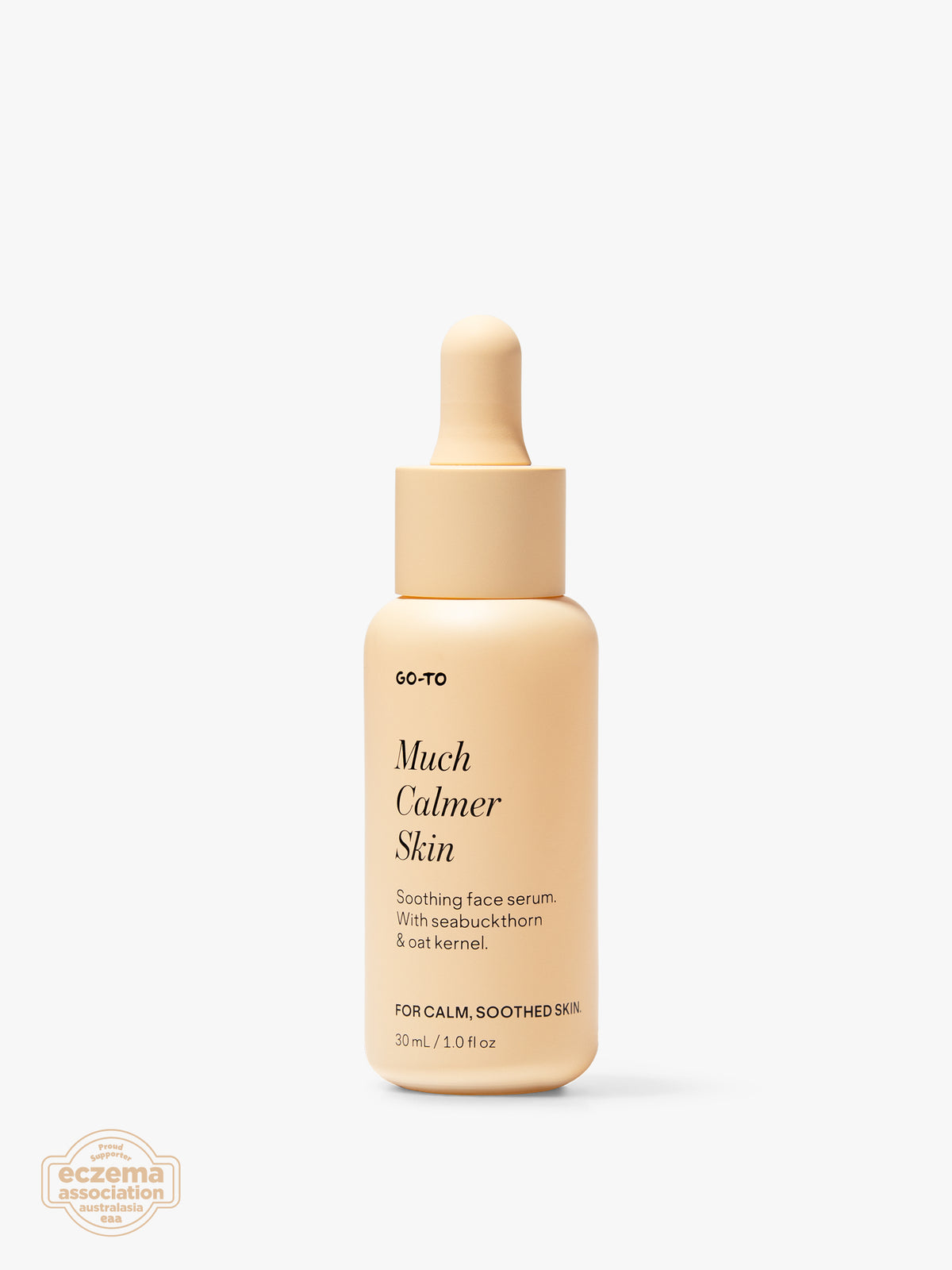
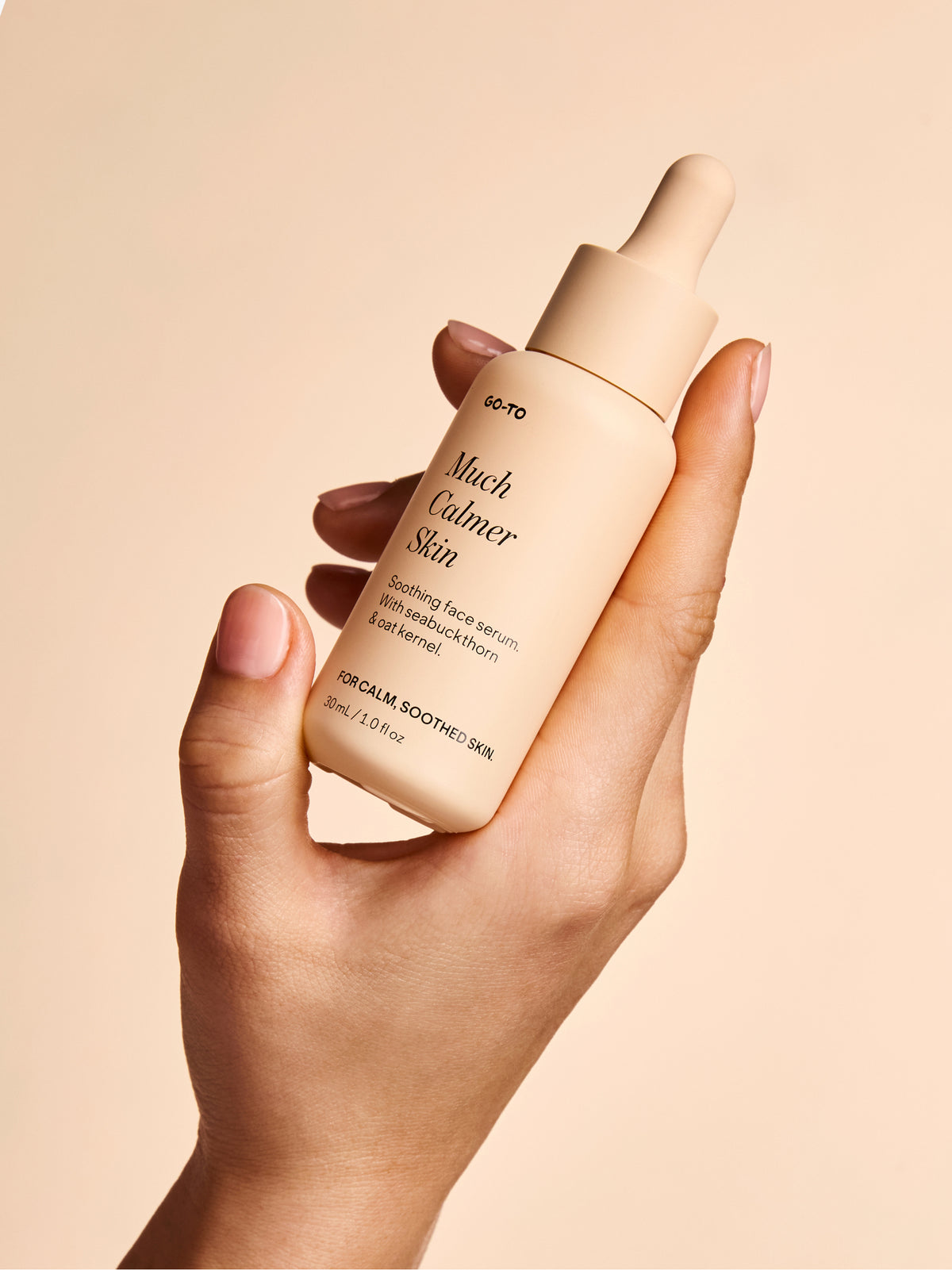
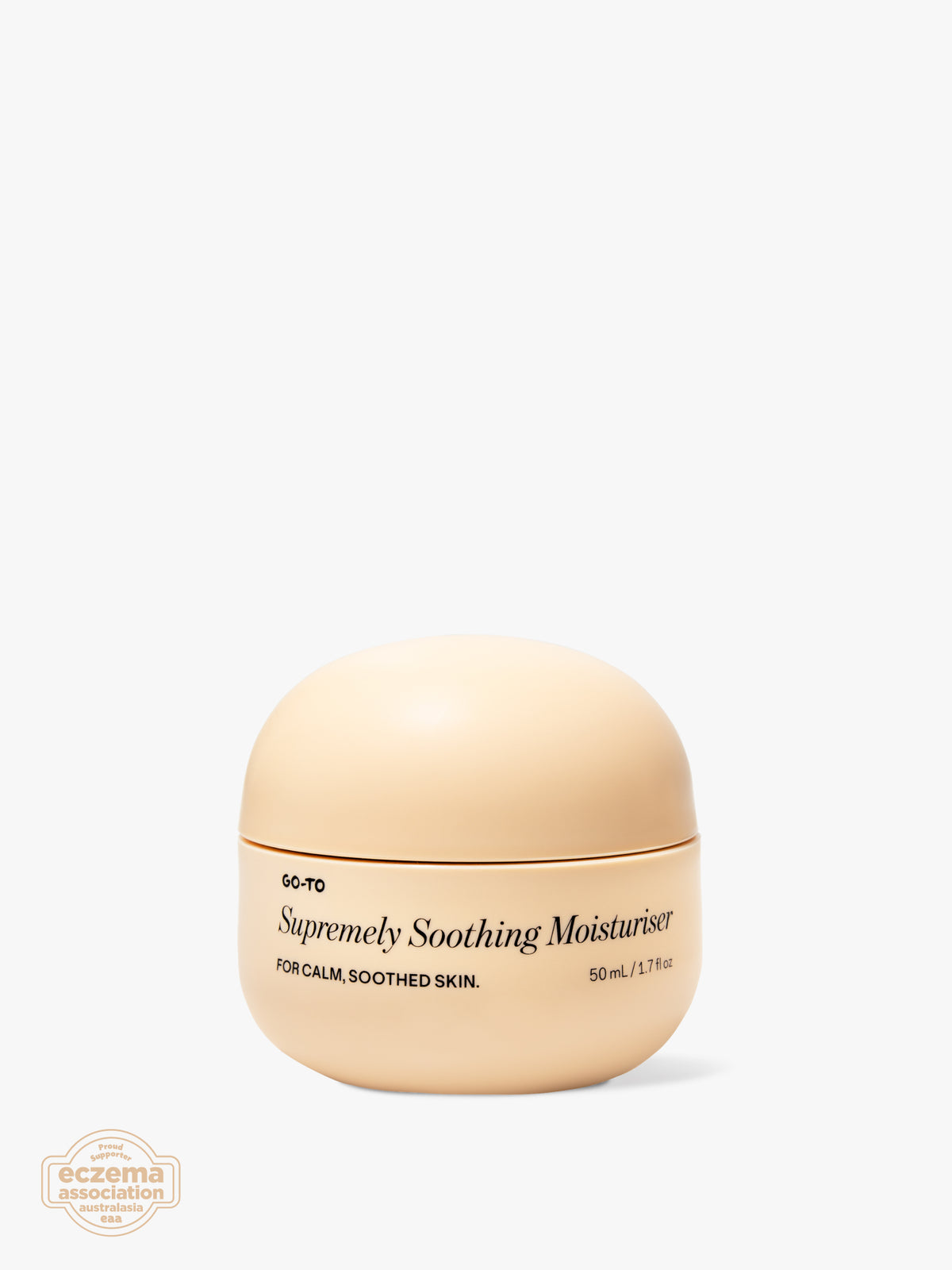
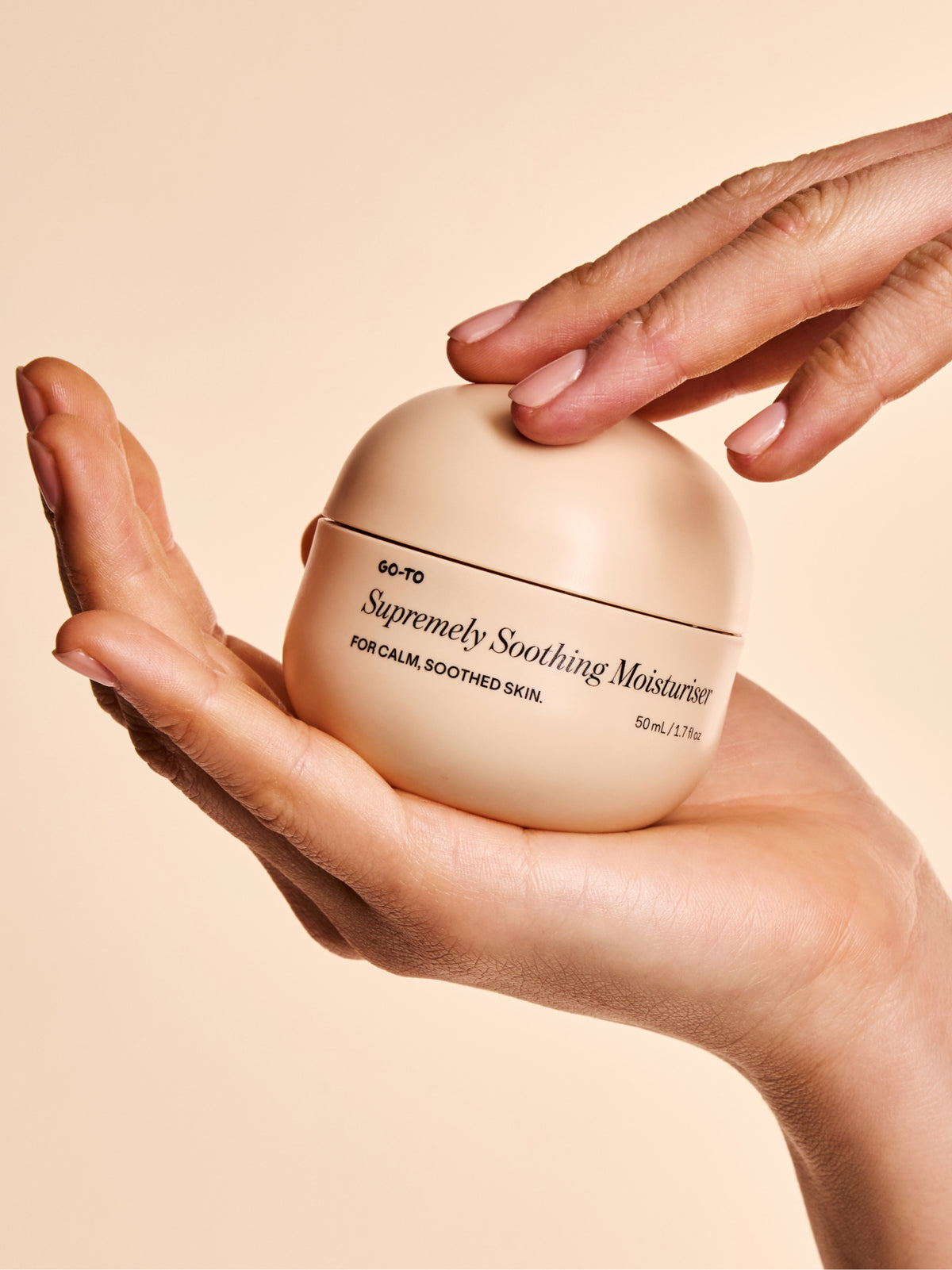
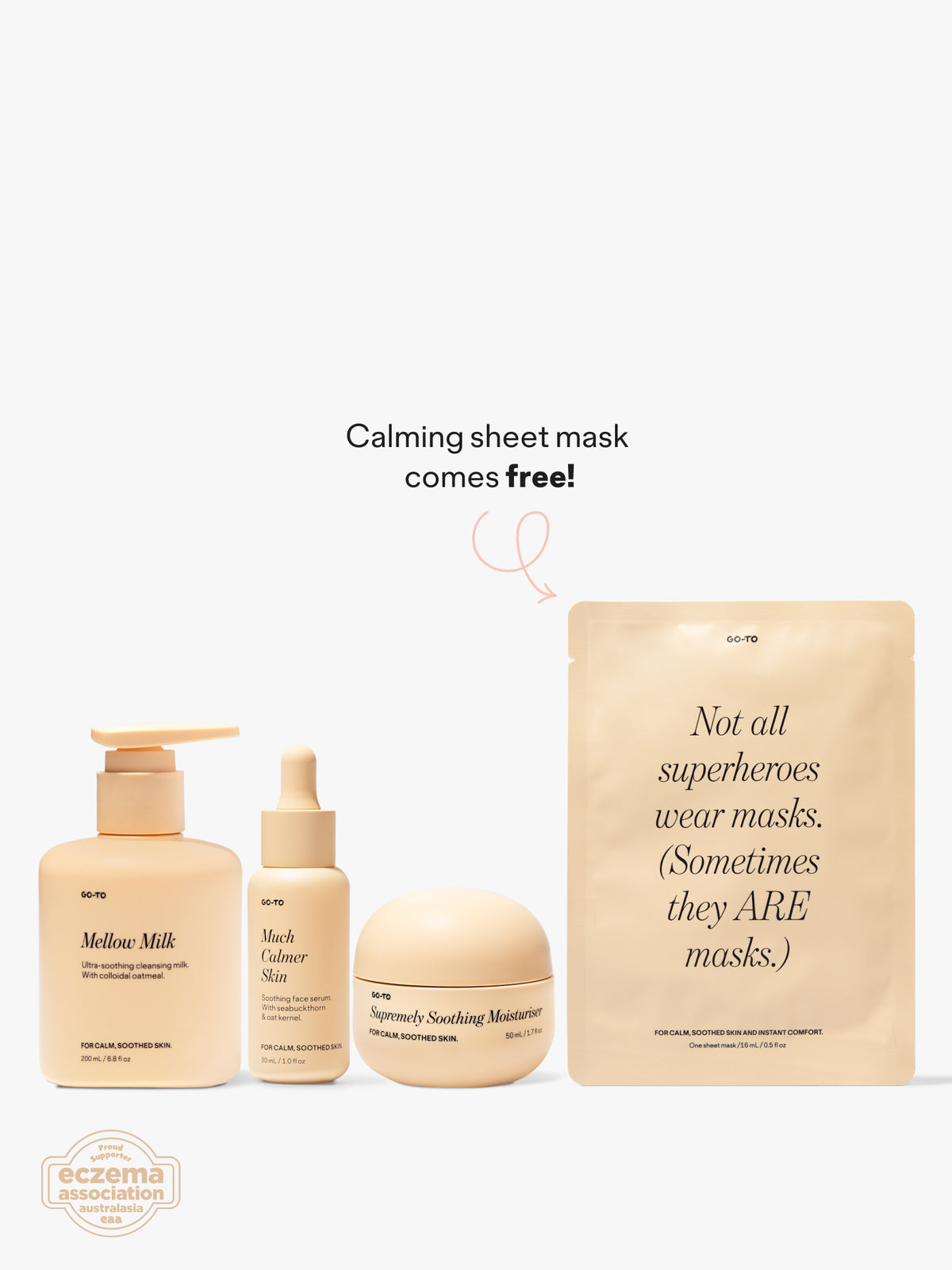
You’ll find some of those key ingredients in Go-To’s new fragrance-free sensitive skin range, which promises luxury skincare for compromised or easily irritated skin. Mellow Milk, an ultra-soothing cleansing milk, removes makeup, SPF and daily grime with colloidal oatmeal and glycerin, plus saccharide isomerat and sugar-beet-derived betaine. It’s designed to support your skin barrier and boost moisture, all with a silky, milky texture. Pair it with the Supremely Soothing Moisturiser, which, as the name suggests, is designed to soothe, replenishing moisture and reinforcing skin resilience with oat ceramides, panthenol and centella—a plant extract known for its anti-inflammatory properties. There’s also mushroom extract in this thick, velvety cream, which helps calm the skin and reduce stinging.
Can Sensitive Skin Use Actives Like Retinol And Acids?
Yes, but it all comes down to the formulation, strength, and frequency, says Yadira. The best approach is to start small: one active at a time, applied mindfully. By this, I mean:
-
Patch test first. Apply a small amount somewhere on the jawline or behind the ear for a few days before going gung-ho on your pretty face.
-
Go low and slow on strength (for retinol, opt for 0.1 - 0.3%), and use it once or twice a week, building gradually as your skin tolerates it.
-
Don’t stack them: Avoid using retinol and acids on the same night.
-
And always, always, always wear SPF, whether it’s sunny or overcast. Retinoids and AHAs can make the skin more sensitive to the sun, so it’s really non-negotiable. And if you have diagnosed rosacea or eczema, check with your dermatologist before adding actives to your routine.
If you’re still hesitant to enter the big beauty world of actives, soft launch it with our Gentle Exfoliator, designed for sensitive and sensitised skin. It pairs a gentle 5% lactic acid (to smooth texture and brighten) with 4% gluconolactane (a PHA for mild, progressive exfoliation). Tasmanian pepper, which sounds pretty exciting, helps reduce the appearance of redness, while aloe vera calms the skin. Start by using it once or twice a week in the evening, sweeping it over the face with a cotton pad after cleansing, then build it up as your skin allows.
How Long Does It Take To Know If A Product Is Working?
Good things come to those who wait, and skincare really is no exception. Results won’t be immediate, but Yadira says hydration can improve within days, while changes to pigmentation, texture or fine lines often take 6-12 weeks or longer. In young adults, the skin’s surface renews over roughly four weeks (because youth, baby!), but slows as you get older (because ageing). That’s why texture and tone changes take at least a cycle or two to show. Retinoids also have an adjustment period, usually a few weeks of possible dryness, flaking, redness, or purging (breakouts in your usual problem areas, which can also happen with acids). This tends to settle within about four to six weeks.
You’ll know it's working when skin feels more comfortable, less tight or red, more hydrated, and maybe even smoother and more even. It’ll be that lit-from-within-look, you know what I mean. And if it doesn’t work, well, the good news is you’ll know early on, though irritation can also build gradually. Watch for persistent stinging, itching, burning, redness or a rash. “Often, with sensitive skin, introducing one product at a time can be beneficial to lessen reactions or to figure out what is causing the issues in the first place,” Yadira explains.
If you’re a little more type A, or more organised with your health and life admin than I am, consider tracking your progress, either by taking photos in the same spot and same lighting each week, or by keeping a simple skin diary to note new products, any reactions, and even things like stress, sleep and your cycle, in case your hormones decide to wreak havoc.
What Should You Do If You React To A Product?
It’s pretty self-explanatory, but stop using said new product. Yes, I feel your pain if it was something trendy, buttery, and lush. By lush, I mean expensive. Why must we sensitive skin girls always suffer from financial beauty hangovers? Yadira also recommends pausing other actives if you need to, and going back to gentle, simple products your skin already tolerates. Think basic, fragrance-free moisturisers or barrier creams.
In the moment, rinse the problem product off with cool or lukewarm water, and calm your skin with a cool compress, like a clean, damp cloth, to ease heat and stinging. Go bare where you can, forgoing heavy makeup and anything non-essential for a few days, and hold off introducing anything new until your skin has fully settled. Keep up your SPF, too, as irritated skin is more vulnerable. You could also speak to a pharmacist about short-term relief if it’s feeling uncomfortable. If your skin doesn't improve within a few days of stopping the product, or it spreads, blisters, or looks infected, see a GP or dermatologist. And as mentioned, any swelling of the face, lips or eyes, or any difficulty breathing, needs urgent medical care.
So, Does Sensitive Skin Really Need A Minimalist Routine?
Living with sensitive skin requires patience, perseverance, and positivity. Jumping from one celebrity or social media beauty trend to the next is never going to be smooth sailing for us. And whatever the internet is loving this week should be taken with more than a grain of bath salt, as there’s often little evidence to back up bold claims.
This is all to say: Sensitive skin needs a minimalist start, not a minimalist routine forever and ever. The basics are the foundation, not the ceiling. You can still address ageing, texture and radiance; you just have to do it “mindfully,” Yadira says. And yes, that leaves room for a little luxury.
“Start with a gentle cleanser, fragrance-free moisturiser and broad-spectrum SPF 50+ each morning, then cleanse and moisturise at night,” she says. “Once your skin is comfortable, you can add a hydrating/calming serum or slowly introduce an active for a specific concern.”
As for skin indulgence, you can create your very own ritual and practise self-care in the way you approach, manage, and apply your skincare. It sounds incredibly simple, but it really comes down to shifting your mindset from hygiene chore to TLC (I’m still struggling with this when it comes to flossing). Isn’t it somehow so pleasurable and intimate to just lock yourself in the bathroom and pause, spending time on you and your glowing face rather than the relentless outside world? Whether it’s five minutes or twenty, it’s comforting to find a sense of control in your own private sanctuary.
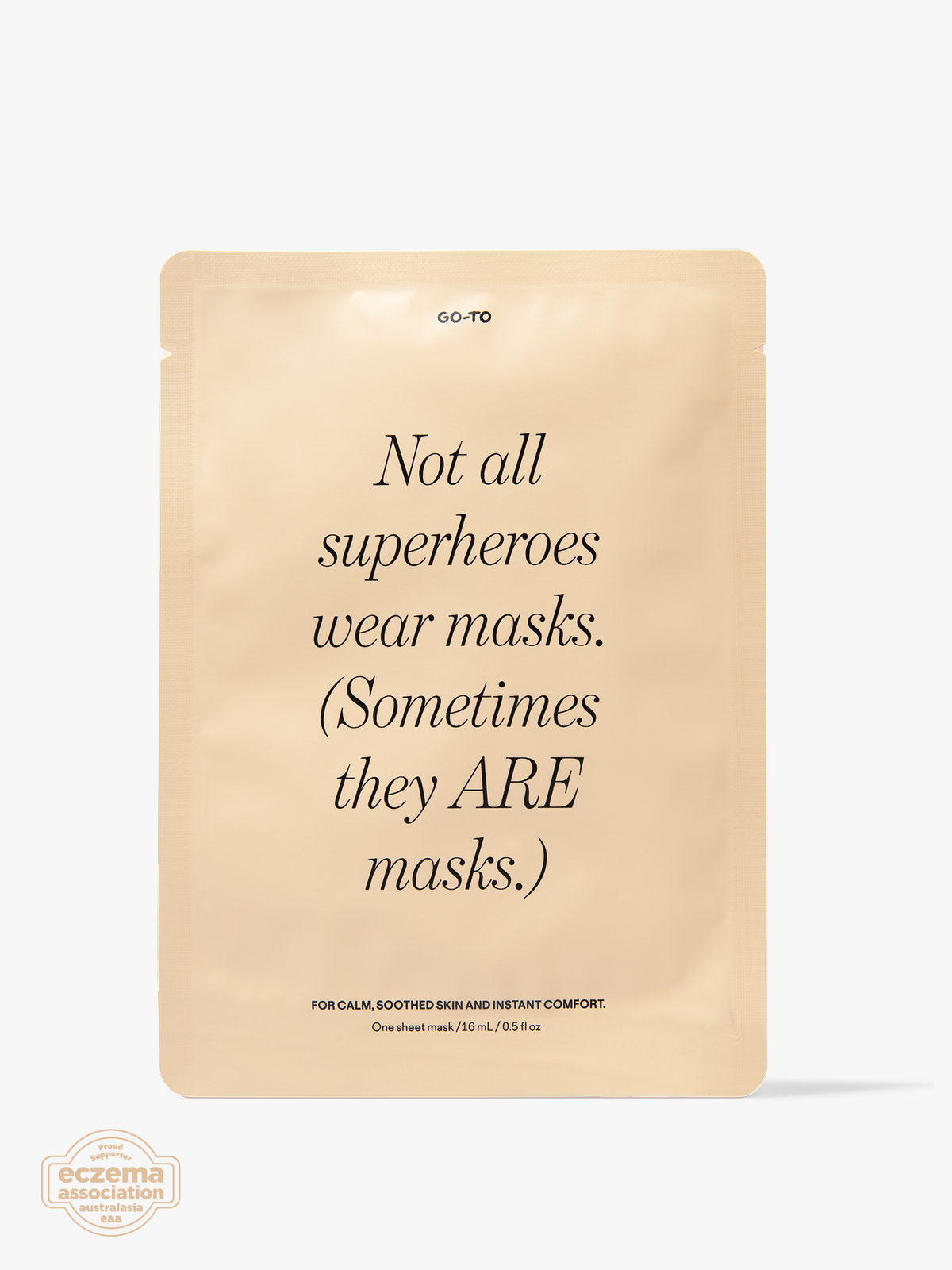
For me, always a lazy beauty girl, I’ve started applying my night moisturiser with a gua sha (who would have thought?), and I find the sensory, rhythmic steps of the application so relaxing after a day of deadlines, screens or being on my feet. I also relish my Saturday morning skin time. I’ll go for a run, embracing the breath work, stretching and fresh air of moving my body, before treating myself to a long shower and a sheet mask, then getting ready for the day. By that I mean, dressing all cute before heading out for a coffee and pastry. A weekly treat before a treat.

Comments