












Nothing feels better than a good hair day, but sometimes, they can feel like a real uphill battle. The key is low-maintenance hair: Tresses that look fabulous, but require minimal effort.
Low-maintenance hair requires less washes, is easy to style between washes, and doesn’t require as many trips to the salon. It may sound like the stuff of fairytales, but it’s actually achievable! It’s all about getting to know your hair, getting the right haircut to suit your effort level, and working smarter (not harder!) with products and styling.
Read on for the best hacks for keeping your hair low-maintenance.
Get Real About Your Effort Level
Step one is getting real with yourself about what you consider low-maintenance. Some hair types (like curls and coils) do naturally require a bit more maintenance, but it’s up to you to work out exactly how much effort you’re willing to put in. Be honest: Are you a wash-and-go kinda person, or someone who has the time (and patience!) for hot tools?
You need to work with the hair you have, and the effort that’s accessible to you on a daily basis.
Get To Know Your Hair Type
To know your hair type is to know yourself. Okay, maybe it’s not quite so philosophical, but identifying your hair type is important!
There are four “types” of hair:
-
Type 1: Straight
-
Type 2: Wavy
-
Type 3: Curly
-
Type 4: Coily
To identify yours, wash your hair and let it air-dry without any products. Type 1 hair will dry pretty straight with minimal (or no) visible waves. Type 2 will dry in loose S-shaped waves. Type 3 dries in bouncier ringlets. Type 4 hair dries in small, tight, zig-zag shaped coils.
Subtypes a (wide), b (medium), or c (tight) describe the shape of any waves or curls. 1a hair would be very straight and flat, while 1c would be mostly straight, but with a bit more bend. On the other end of the hair spectrum, 4c hair is composed of tight coils prone to shrinkage. With us so far?
Hair texture is also good to know: Is your hair fine, medium or coarse? To test, rub a single strand between your finger and thumb. If you can’t feel it, it’s fine. If you can (just!) it’s medium. And if it feels very noticeably thick, you have coarse hair. Ta-da, you now know your hair, and therefore yourself!
Get The Right Haircut
It may sound obvious, but getting a low-maintenance chop is key to low-maintenance hair.
Sure, everybody wants hair like Mika Abdalla in Off Campus, Hoyeon in Squid Game, or Zendaya in literally anything she’s ever been in, but achieving those looks often requires a certain level of effort, especially if your hair doesn’t naturally act like your reference pic’s does.
Next time you head to the hairdresser, ask about what style will achieve your desired look while also matching your desired level of effort. For straighter hair types, lobs, bobs and other blunt cuts are easier to style, and likelier to grow out evenly. For wavier or curly hair, layers are your friends — they’ll add natural movement and volume, and growth will blend in.
Consider low-maintenance hair colouring, too. Balayage or ombré blends into your natural colour to better disguise regrowth, as does staying within three to four tones of your original shade.
Investing In The Right Products
Contrary to what social media says, a million products won’t magically cure all hair issues! Too many can weigh down hair, create buildup, and ultimately make your hair harder to work with. The right ones will do just the opposite.
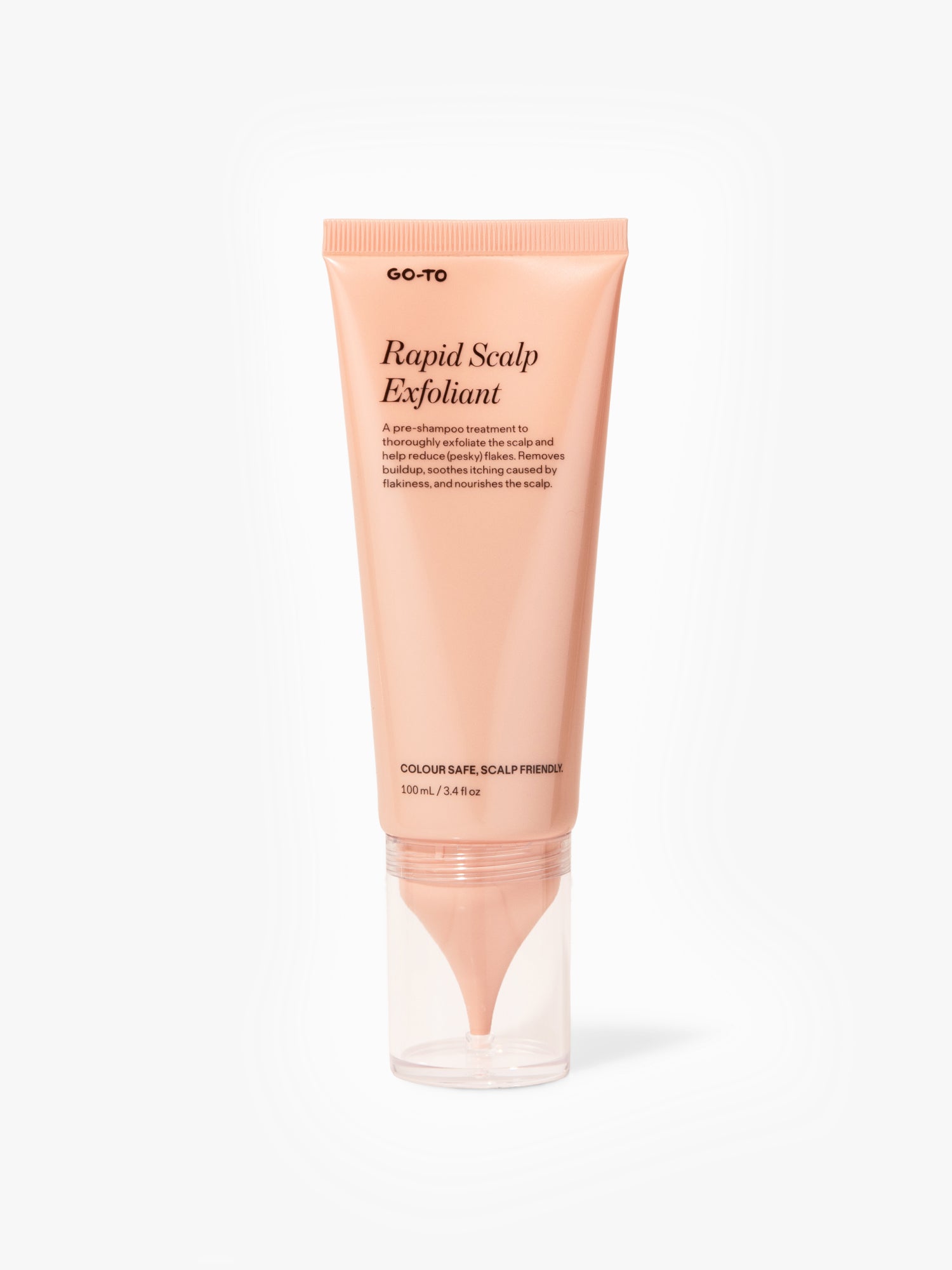
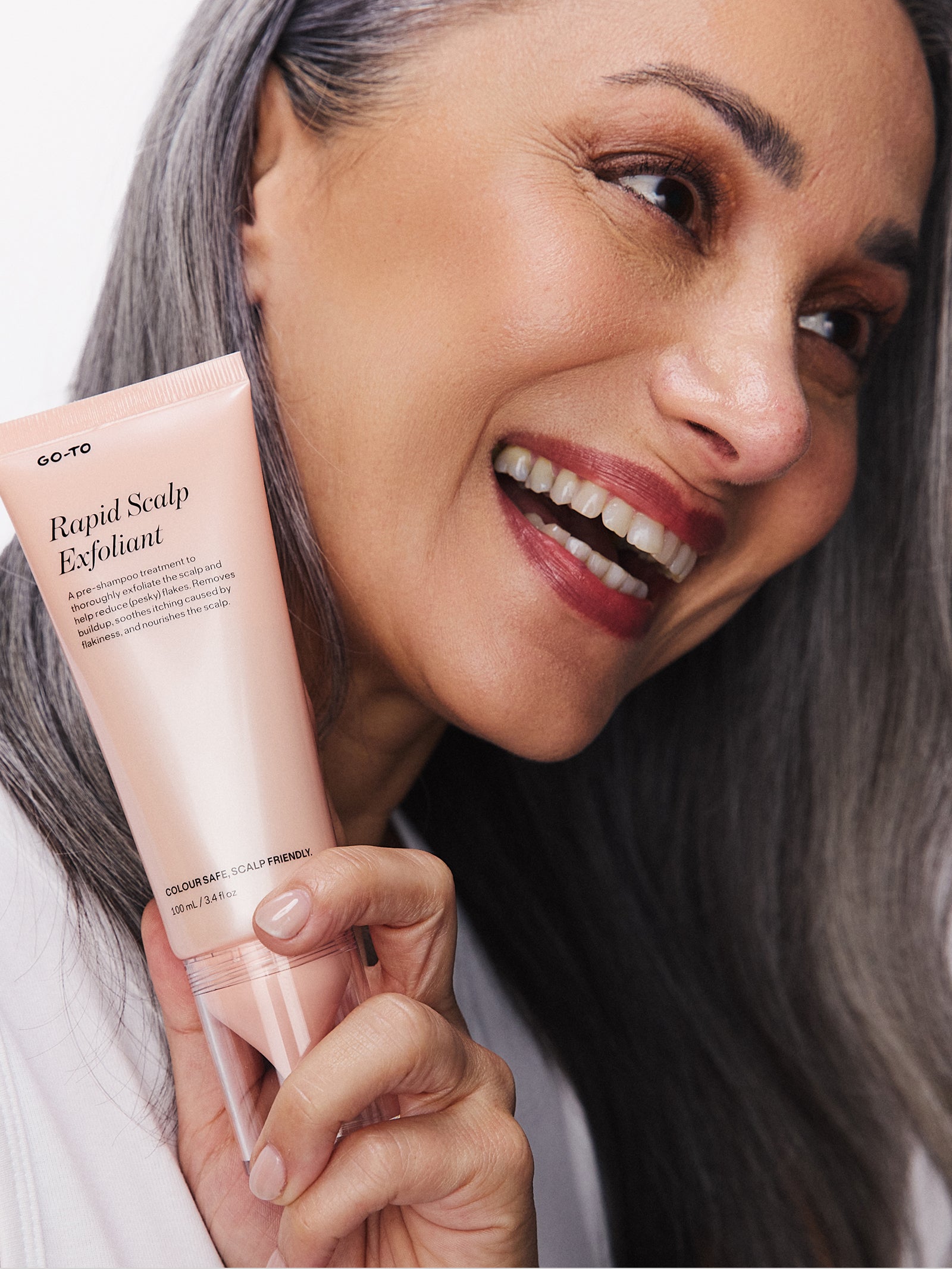
A good scalp treatment (either a leave-in or a pre-wash) can keep your noggin balanced, clarified and soothed. The big win here? It can prolong your wash, so you don’t have to wash as often. Two to three times a week is the goal.
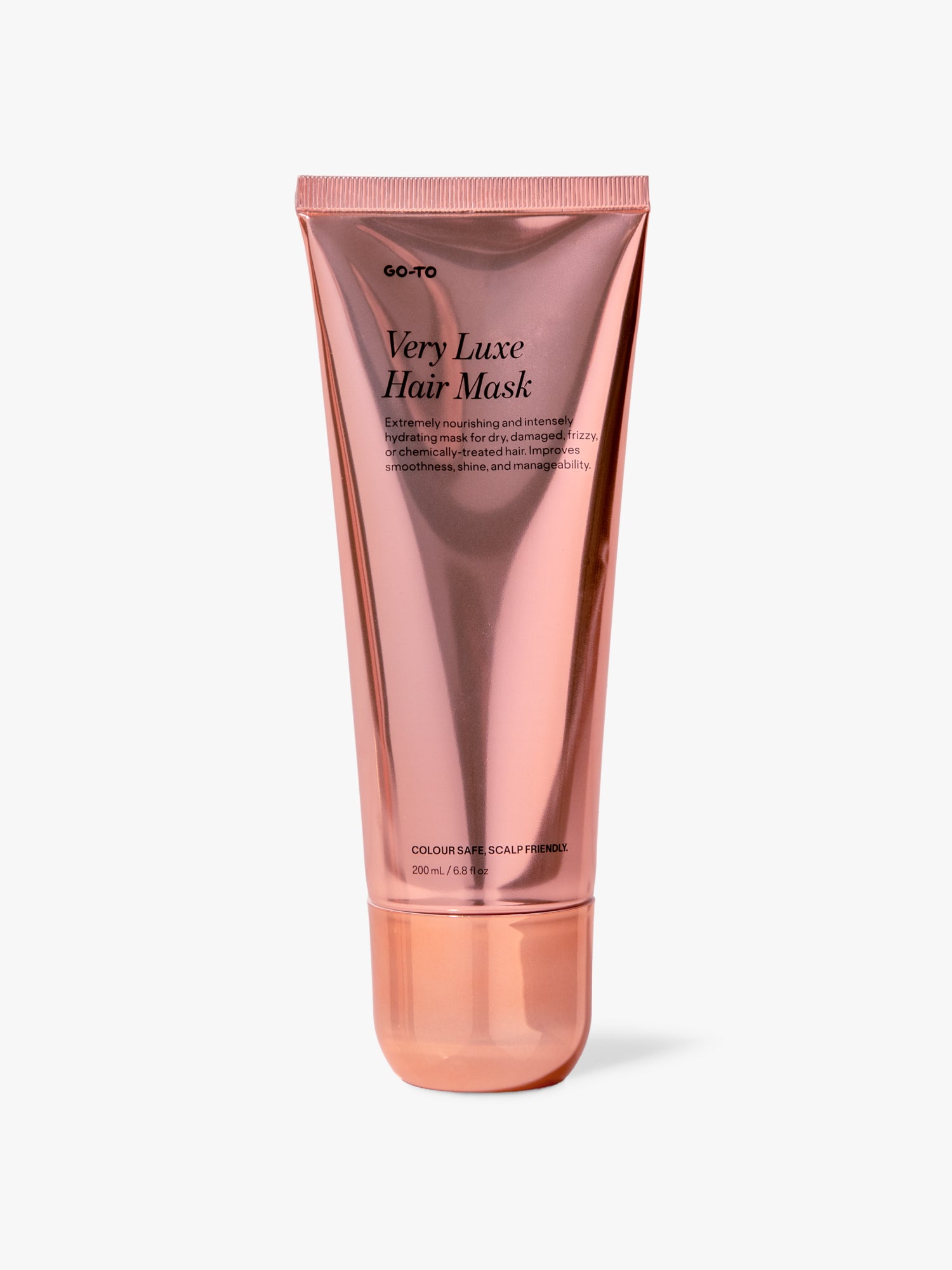
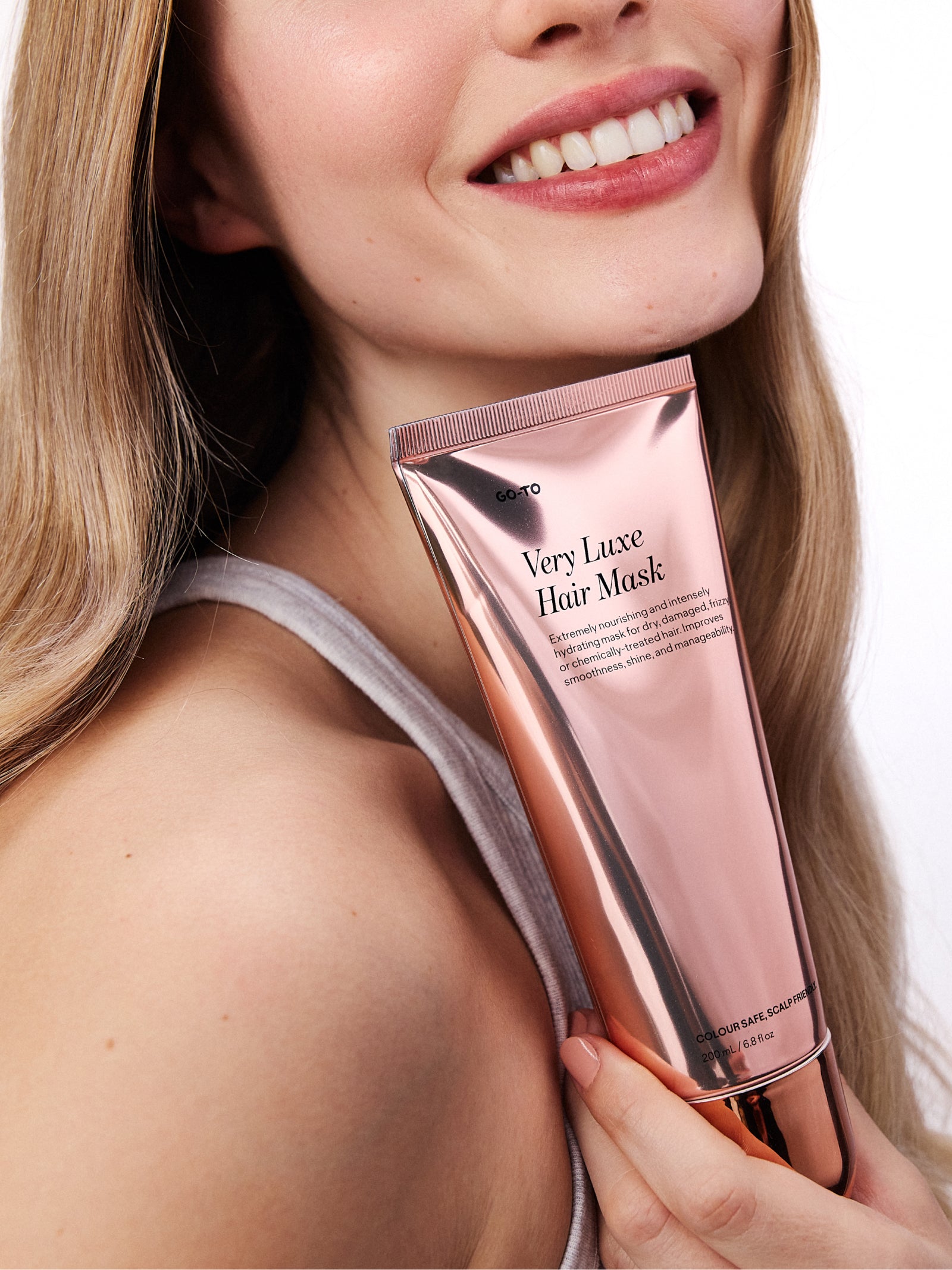
Choose a shampoo and conditioner targeted specifically to your hair type—like volumising products for finer hair; hydrating products for coarser hair; or colour-protecting products for dyed hair. Throw in a hair mask that you can use every so often for extra nourishment, especially if your hair is on the drier side, if you colour it, or if you use heat regularly.
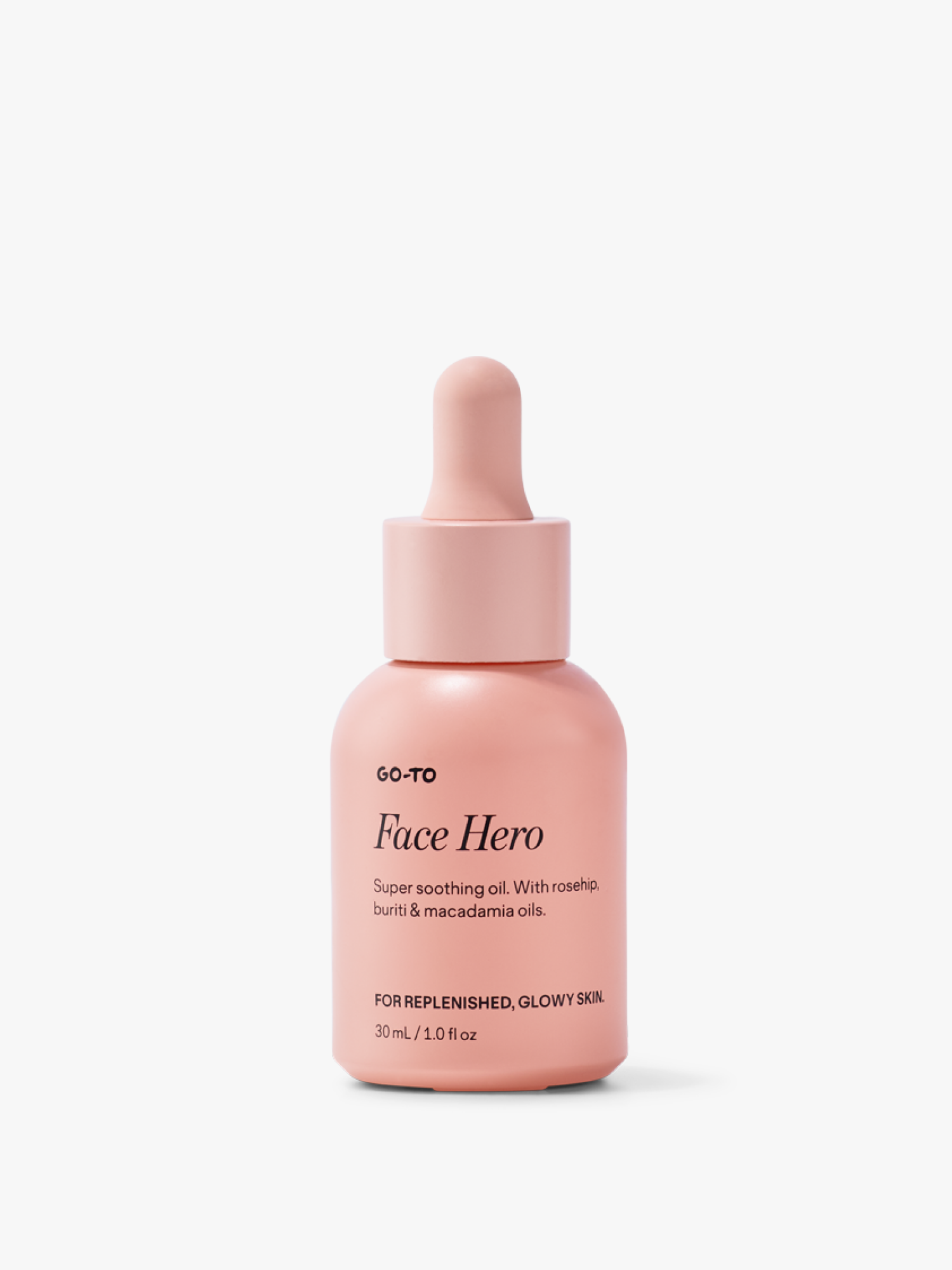
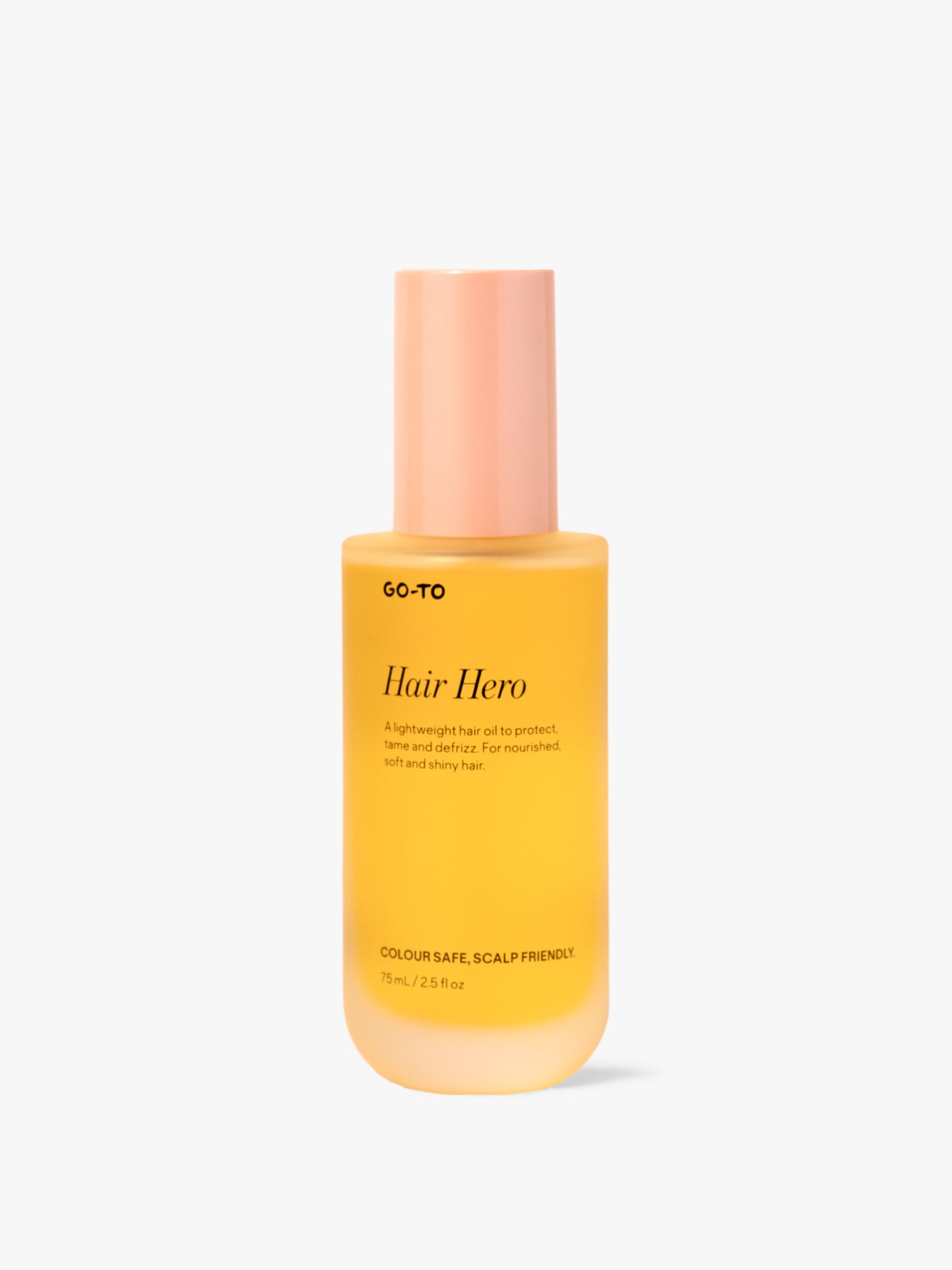
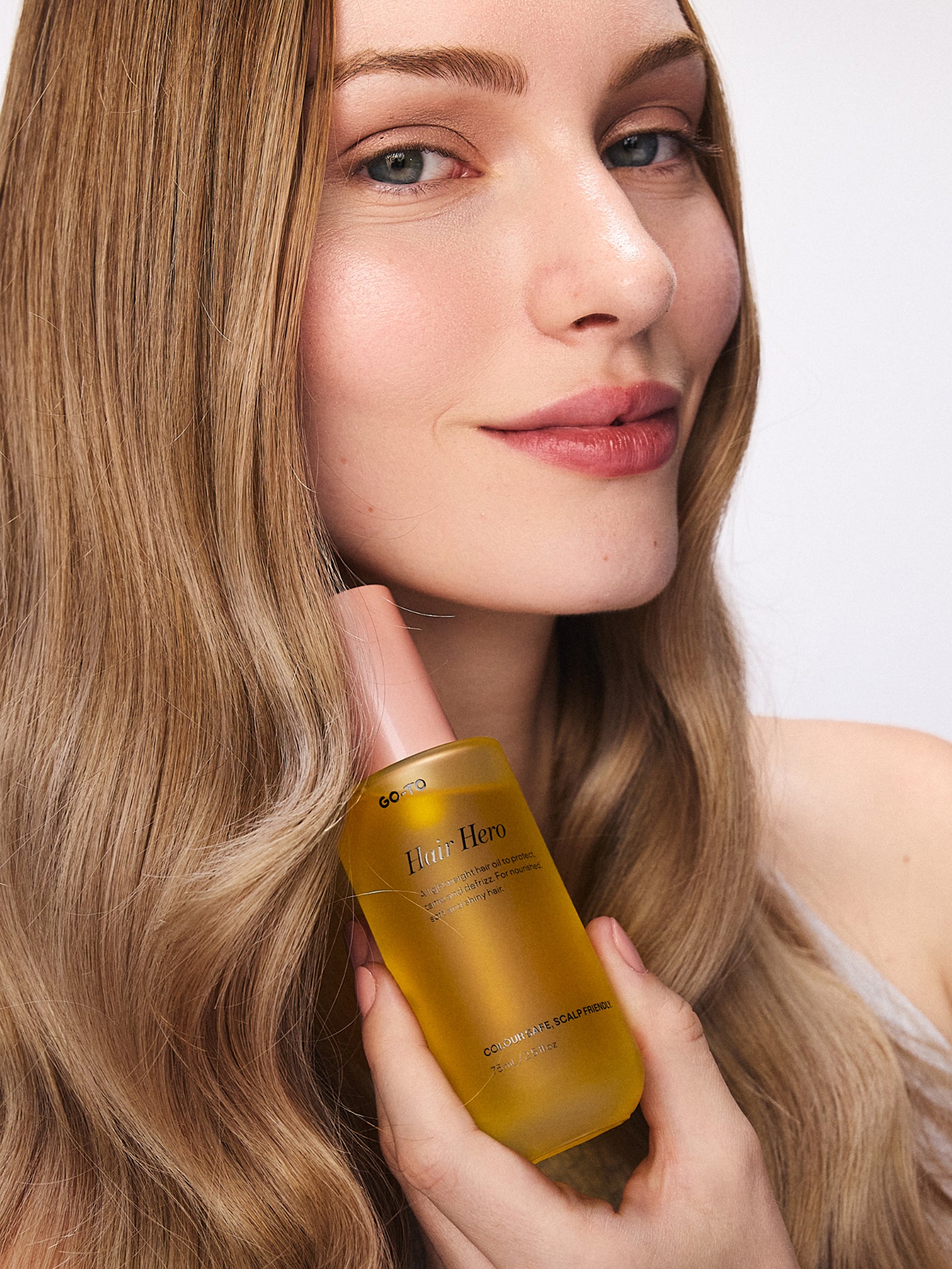
You may want one or two other special products depending on your hair type: A sea salt spray to add texture to finer or wavy hair; a heat protectant if you regularly style with hot tools; or an oil to combat frizz and dullness on coarser, curlier, or coily hair.






Work Smarter, Not Harder
If part of your maintenance problem is timing and patience, learn to make your routine smarter, not harder.
1. Mask multi-tasking
Never bothered to pause your shower for 10 minutes for a hair mask to marinate? We get it. Put one in before your next gym sesh and then wash it out in your post-workout shower. Alternatively, slick it on before bed the night before you’re due for a wash, pop on a showercap, and wash it out the next morning.
2. Beauty sleep (literally)
Always feel like you’re waking up with a rat’s nest atop your head? Get a silk pillowcase — silk creates less friction than other fibres, so it’s less likely to cause tangles, frizz, or breakage.
3. Heatless styling
Want to reclaim some morning minutes and avoid excessive heat use? Get your head around heatless hairstyles. They can be as simple as braiding your hair the night before, and the payoff is effortless waves or curls without the damage.
4. Refresh when needed
Hair looking a little limp and lifeless? Refresh it with dry shampoo, or throw it into a slick look. Accessories are the ultimate cheat code—grab a claw clip or a headband and voilà, instantly you’re a-bit-chic and not a-bit-of-a-mess.
Remember the golden rule above all: Work with the hair you have. Meet it where it’s at. Trust us—those good hair days will be so much easier to come by, and so much easier to maintain.
Comments