












You’ll likely recognise salicylic acid from its starring role in blemish-fighting cleansers, toners, and moisturisers.
A fixture of skincare for decades, salicylic acid is the most commonly used form of beta hydroxy acids (BHA). This type of acid goes beyond its exfoliating counterparts like alpha-hydroxy acid (AHA) and polyhydroxy acid (PHA)—not only sloughing away dead skin cells but dissolving the build up inside your pores as well.
So how does just one ingredient do all that? And should it play a role in the routines of non-acne-prone faces? Well, we’ll tell you.
What Is Salicylic Acid?
Salicylic acid is a type of beta hydroxy acids or BHAs—a category of chemical exfoliants know for their oil-solubility.
Other chemical exfoliants, like AHAs and PHAs, are water-soluble. This means they work primarily in the water-rich environment of the skin’s surface, breaking down the bonds between skin cells to boost turnover.
BHAs work a bit differently. While they can also slough away dead skin cells by weakening the bonds, their oil-solubility means it can dive into oily areas (like your pores) as well and break down build up. This makes them a prime option for skin with congestion and blemishes.
What Are The Benefits of Salicylic Acid?
There’s a reason you’ll find this ingredient in blemish-banishing and non-blemish-banishing skincare alike.
-
Reduces blackheads and blemishes: By actually targeting the buildup in your pores, salicylic acid can help prevent congestion and breakouts.
-
Actively fights breakouts: Not only does salicylic acid help reduce the likelihood of breakouts and blackheads, it’s exfoliating, anti-inflammatory properties means it helps calm and clear ongoing breakouts as well.
-
Balances excess oil: While it can’t control your oil glands, salicylic acid’s oil-solubility lets it manage the effects of excess oil by clearing oily buildup.
-
Smooths skin texture: Like other chemical exfoliants, this one encourages dead surface cells to shed, it can leave skin looking and feeling smoother.
-
Improves the appearance of pores: Of course, no skincare can physically “shrink” the size of your pores, but clearing out congestion does help make them look less noticeable.
-
Calms inflammation: Courtesy of its anti-inflammatory properties, salicylic acid can help destress angry-looking blemishes.
Who Should Use Salicyclic Acid?
Salicylic acid works best in oily, breakout-prone skincare routines. Incorporating a BHA-based toner or cleanser can help to take care of excess oil and minimise congestion.
With this in mind, some dry skin types should steer clear of salicylic acid skincare. Since dry skin is caused by a lack of oil, incorporating this type of ingredient can lead to discomfort, flakes, and rough patches. We recommend reaching for an AHA instead. Same exfoliating benefits, with your skin’s oil still intact.
Important! BHA use is not recommended during pregnancy or breastfeeding. Always consult your GP to determine exactly what your skin needs during this period.
How To Use Salicyclic Acid?
Given its slew of benefits, we recommend incorporating salicylic acid into various steps of your skincare routine. Luckily, this ingredient can be found in natural extracts, allowing it to be added to your routine in mild, gentle ways.
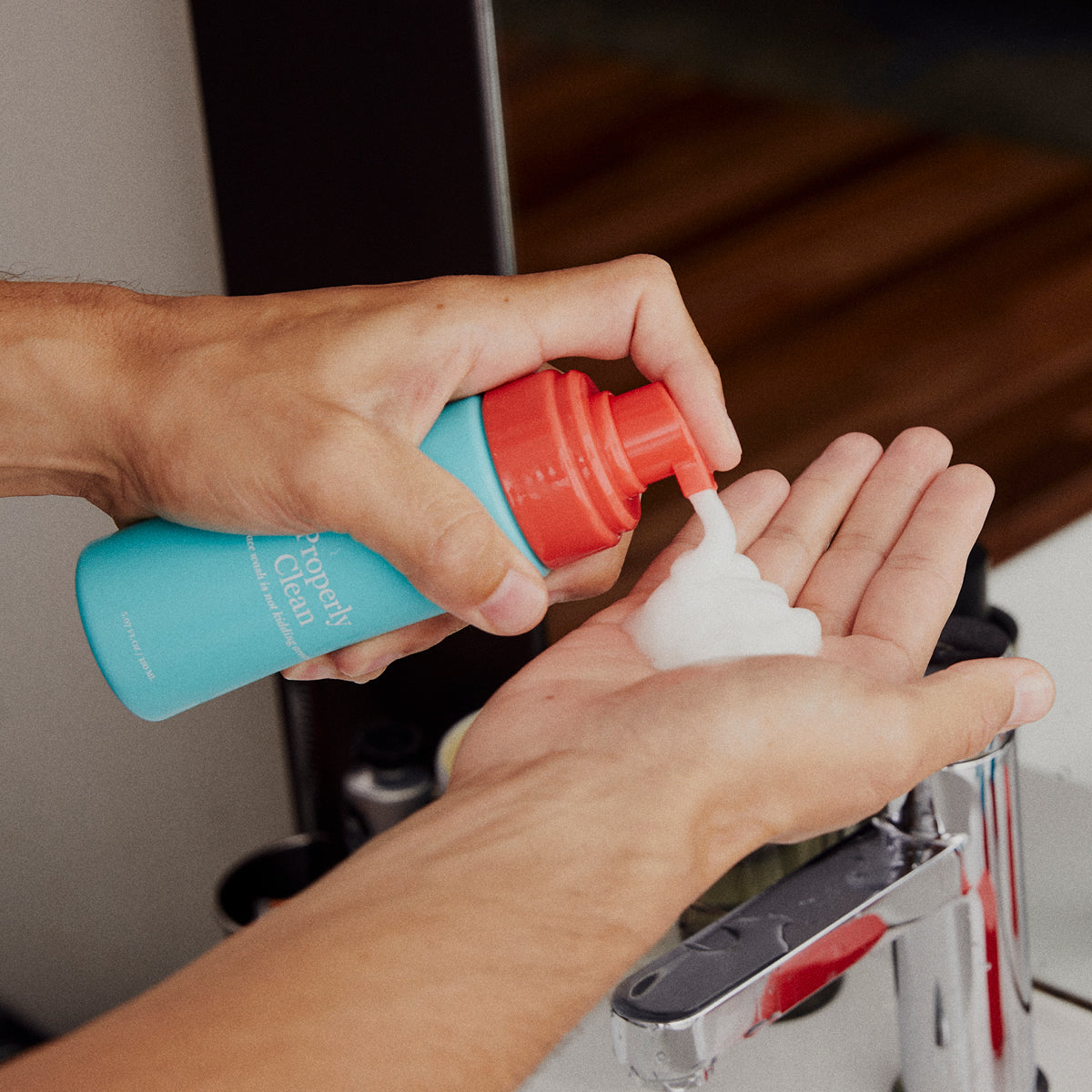
Cleanser: There’s many BHA-packed cleansers out there, designed to tame oil and fight congestion from the first step of your routine. We’ve opted to incorporate salicylic acid into our oily skin cleanser (ahem Properly Clean) via willow back extract. Derived from the willow tree, this ingredient contains a natural source of salicin, a compound that the skin slowly converts into salicylic acid. This lets our cleanser give a gentle clean every day, with a side of salicylic acid benefits.
Exfoliator: This step is probably the easiest place to slot a BHA into your routine. The liquid nature of a chemical exfoliants lets BHA be incorporated at higher percentages while being actively applied to the skin and not washed off. We’ve used 2% BHA in our Clarifying Exfoliator, along with Tasmanian pepper fruit extract to minimise irritation. Since it’s a powerful ingredient, we recommend using a BHA-based exfoliator 3–4 nights a week—and only in the PM.
Patches: Salicylic acid’s knack for clearing build up lurking in your pores makes it a great addition to pimple patches. Microdarted and hydrocolloid patches infused with BHA dissolves the oil inside the pore to target blemishes both early or deep-set.
What If Your Skin Is Congested But Dry?
Dry skin can use salicylic acid, but we recommend sparingly.
It can be helpful to do some zoning—using salicylic acid once or twice a week on your forehead, nose, and chin, without unnecessarily exfoliating drier areas.
Does Salicyclic Acid Wreck Your Barrier?
Not by default! But with great skincare, comes great responsibility.
Using a BHA too liberally in your routine (e.g. everyday!), or at a high concentration, can disrupt the stratum corneum (that’s the surface layer of your skin) and cause barrier impairment. We recommend starting slow—once or twice a week—and supporting your skin with a nourishing moisturiser.

Comments