










Did you know Ancient Egyptians used crocodile droppings as a face mask? Or that, in Renaissance Europe, women practised bloodletting to whiten their complexions? Then there was the Victorian era, when arsenic tablets were touted as a shortcut to brighter skin.
Most modern-day rituals seem tame by comparison, but there are still plenty of beauty practices that would make even an old-world aesthete gasp.
Today’s maximum-effort routines span medi-spa staples like chemical peels and the notorious Vampire Facial (thanks, Kim K) to at-home routines like dermaplaning, dermal rolling, and recently, “the morning shed.”
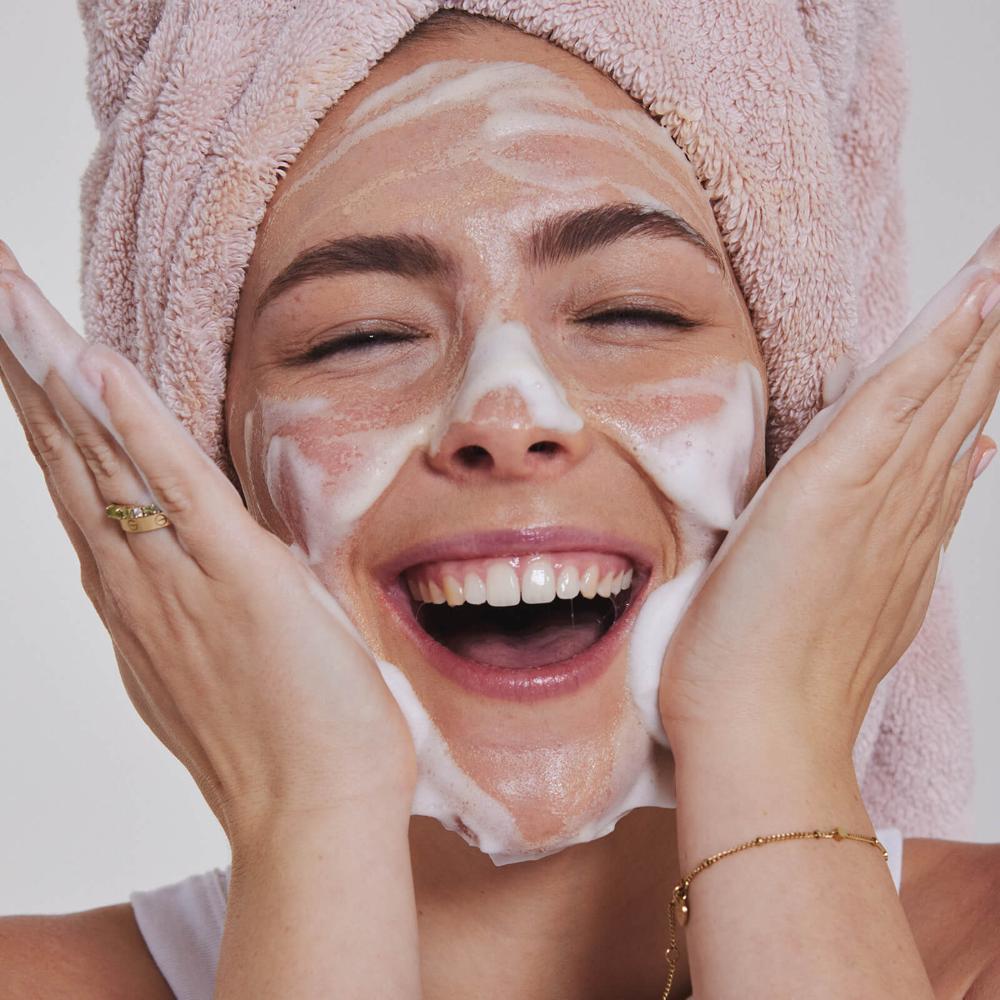
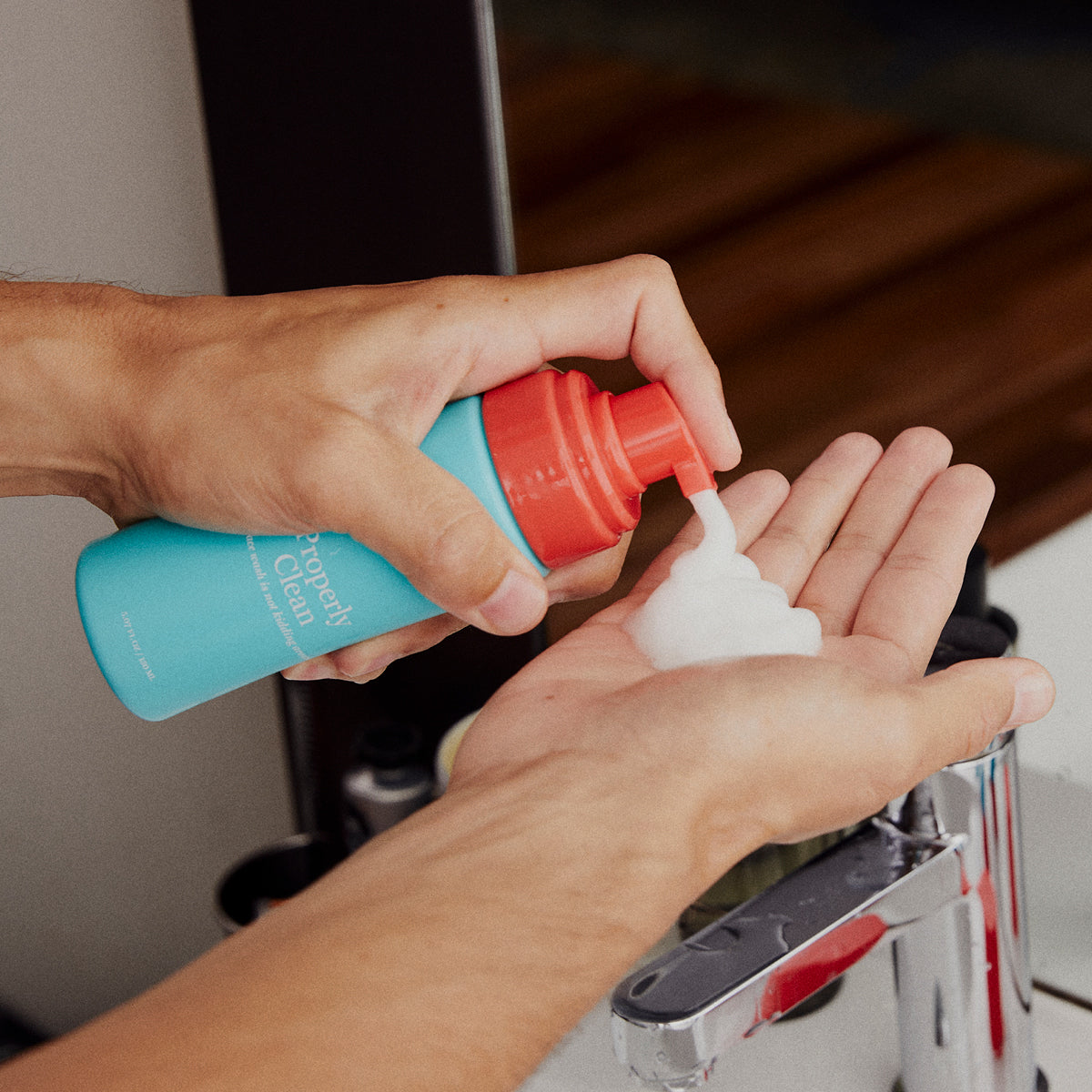
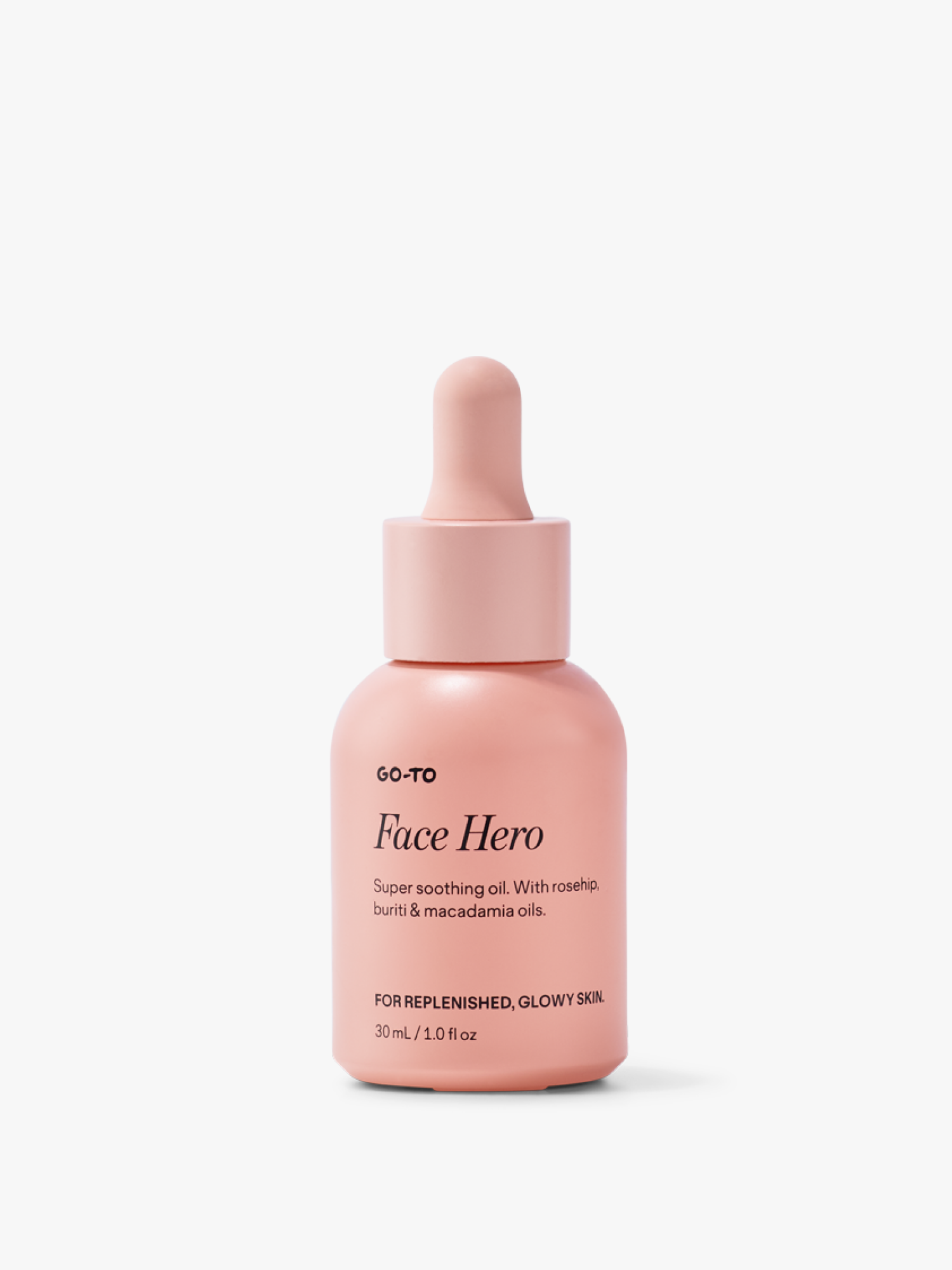
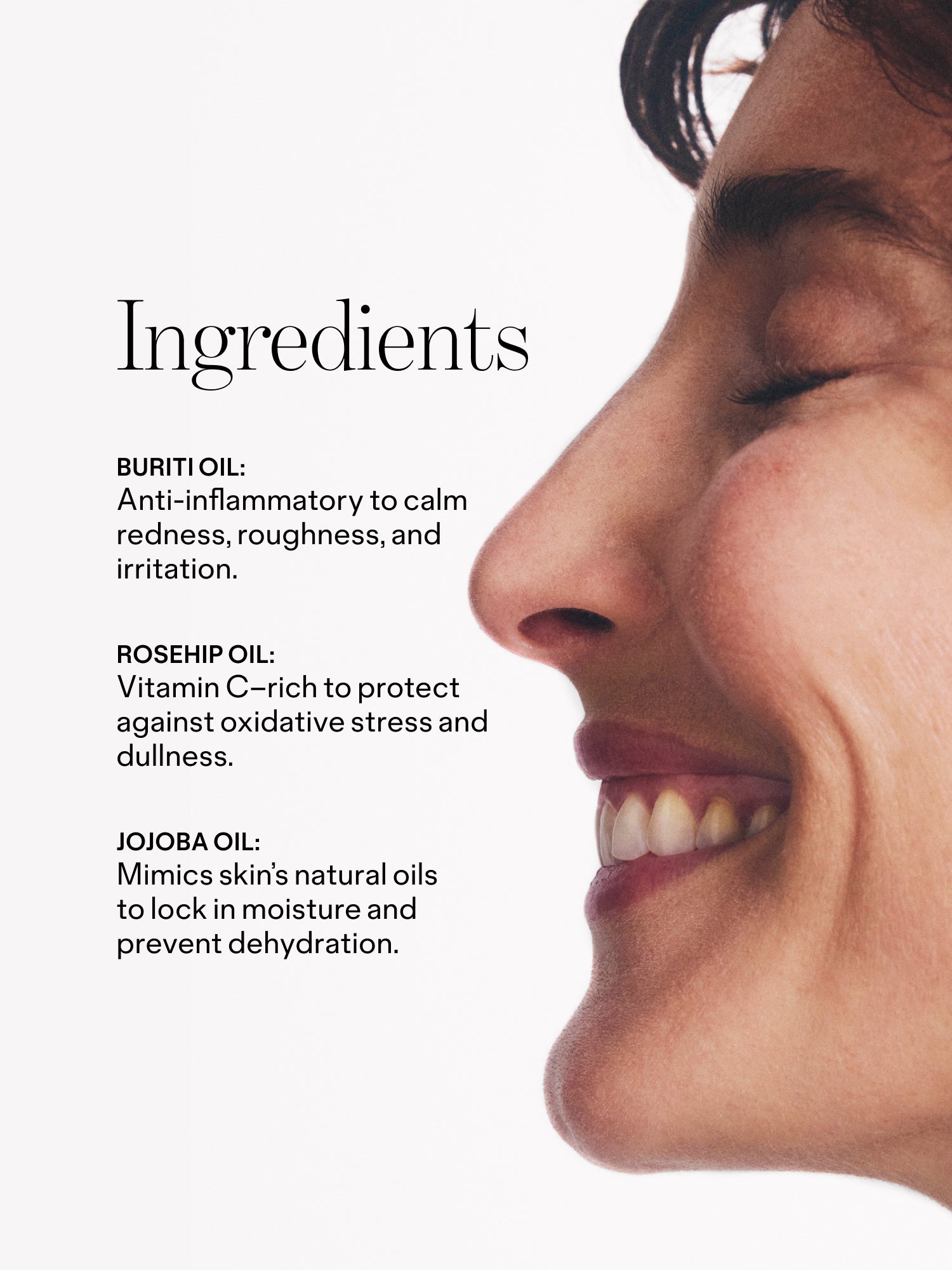
For those out of the #BeautyTok loop, the morning shed involves applying a number—if not all—of these products before bed: teeth-whitening strips, lip stain, skin tape, mouth tape, chin straps, under-eye patches, pimple patches, heatless hair rollers, a silk bonnet, facial oil, and a sheet mask. By morning, the layers are removed to reveal a result that should embody the mantra: “go to bed ugly to wake up pretty.”
The Glow-Up Economy
The trend feeds into the self-optimisation content that has flooded social media over the past few years. Whether it’s fitness, skincare, or productivity, people are drawn to content detailing the process of “glowing up”.
According to Helen Bird, Head of Prevention at the Butterfly Foundation, content like the morning shed is “a reflection on the world we are living in right now.” She explains that “These trends reinforce the idea that we can never just relax and just exist in our bodies and that we must always be trying to ‘do better’.”
It’s certainly excessive, but it’s also nothing new—for as long as there’s been media, there’s been a fervent obsession with “before and after” narratives. From idealised yet relatively innocuous makeover montages (à la The Princess Diaries) to the downright damaging content (like extreme weight-loss ‘progress’), humans are drawn to stories of transformation and the promise that they, too, could achieve a better version of themselves.
While she finds The Morning Shed quite absurd (“because how does it not disrupt sleep?”), writer and Beauty Editor at RUSSH Magazine, Emily Morello, views these types of digital fads as a version of what we’ve seen before. “The internet is obsessed with optimising and ‘locking in’... I kind of view this microtrend through the same lens—it’s just repackaged,” she says.
Self-Care Or Self-Surveillance?
So, where’s the tipping point between fun, uplifting beauty content and something a little more problematic? To Emily, that depends on the individual, and how they engage with this type of media. “Beauty can be a means of looking after ourselves, it can be relaxing, indulgent, or an act of care. It can also be functional or purpose-driven—for example, skincare that targets or improves an uncomfortable condition,” she says. “I think everyone deserves to feel comfortable and content.”
However, she has observed a noticeable shift in the sorts of beauty routine content online over the past decade. “Routines were minimal and skincare was much less technical when I started working in this industry,” she explains. The morning shed is testament to this. In fact, it’s hard to imagine how any nightly routine could be more elaborate.
Helen is realistic that while it’s natural to care about our appearance, it’s the hyperfocus on perfection that can cause issues. She advises, “It’s really important for people to stay self-aware about how content makes them feel. A helpful question is: Is this encouraging me to be compassionate toward myself, or is it pushing me to compete, compare, or criticise?”
#NoFilter?
When consuming trend-driven beauty content like the morning shed, it’s also worth asking: Is this real? Yes, the influencers are real, the videos are real, and the trend is technically real, but are people actually doing this? Creators are at the whim of algorithms, blurring the line between what’s genuinely practised and what simply feeds the attention economy and our appetite for self-improvement arcs.
“With so much of this content available at the tips of your fingers, these routines are often presented as easy, quick fixes. But in reality, it’s mostly time consuming, unrealistic, unattainable,” suggests Helen.
Emily points out that it also goes both ways. While the morning shed represents a wave of optimisation culture that normalises labour-intensive regimens, it’s worth being equally sceptical about seemingly simple routines and their perceived results. “Portrayed effortlessness online is often very involved (high maintenance to be low maintenance, etc). At the end of the day, it’s all effort, though,” says Emily. “What’s shown to us as ‘simple’ or ‘low effort’ might not actually be. Most of the ‘effortlessly’ beautiful people we look up to likely look that way due to an enormous amount of effort (and money).”
Consume With Care
Take it all with a grain of salt (or drop of serum). Crucially, no matter which products you’re using, follow the instructions provided by the manufacturer rather than generic advice posted online. Some products are specifically formulated to work overnight, whereas others should be washed off within a specific time frame. For example, sheet masks are often positioned in tutorials as an overnight solution, but most are only intended to stay on for less than 10 minutes. And if you’re interested in trying something like the morning shed, see how each individual treatment works before investing in and attempting them all at once.
Above all, make sure the space you’re carving out for yourself online is full of content that inspires and affirms you. “People want to see or recognise themselves in what they consume. Glossy/perfect everything is hard to connect with because very rarely will we see ourselves as such,” says Emily.
Helen notes that positive representation is essential in creating a healthy digital environment, “Increasing representation is essential in helping people realise that their body and appearance is not a problem to be fixed.” She advises hiding content that stokes feelings of insecurity and pressure, “It can be really helpful to follow people and accounts that post about things other than appearance or beauty—follow those who align with your hobbies, passions and values outside of physical appearance or self-improvement,” she says.
Of course, not every beauty trend is a mandate. For some, the appeal of the morning shed has less to do with optimisation and more to do with ritual, play, or even spectacle. There’s a sensory satisfaction in the layering and removal, the neat sequencing, the sense of order at the end of the day. In that sense, the morning shed may be less about aspiration and more about watchability. The risk isn’t necessarily in the trend itself, but in mistaking performance for instruction, and content designed to be consumed for something that must be replicated.
Emily recommends we “opt in with a level head” and “participate in a way that feels authentic or serves us.” Although it consists largely of beauty content, she’s curated her own feed to be “fun, celebratory and a testament to some of the artists and image makers in the industry.” She explains, “I really enjoy founder content and brand building intel. Also experts—facialists, aestheticians, nail artists—I like to pay attention to the people behind the scenes. I gravitate to people that are honest, authentic and low-key.”
In the end, beauty should be enjoyable and beneficial. Something we choose for ourselves—not something the algorithm chooses for us.
If you’re experiencing any concerns about your body image, support is available. You can access confidential and free help through the Butterfly National Helpline on 1800 ED HOPE (1800 33 4673), or visit www.butterfly.org.au to chat online or email.

Comments